Skip to content
If you’re new to air hockey or looking to sharpen your skills, understanding the key air hockey terms can give you a real edge. Knowing what each piece of equipment is called, the moves you can make, and the lingo players use will help you feel confident and in control the next time you step up to the table.
Whether you want to impress your friends or take your game to the next level, this guide breaks down all the important air hockey terms in simple language. Ready to master the game and score more goals? Let’s dive in and get you familiar with the language of air hockey!
Key Equipment
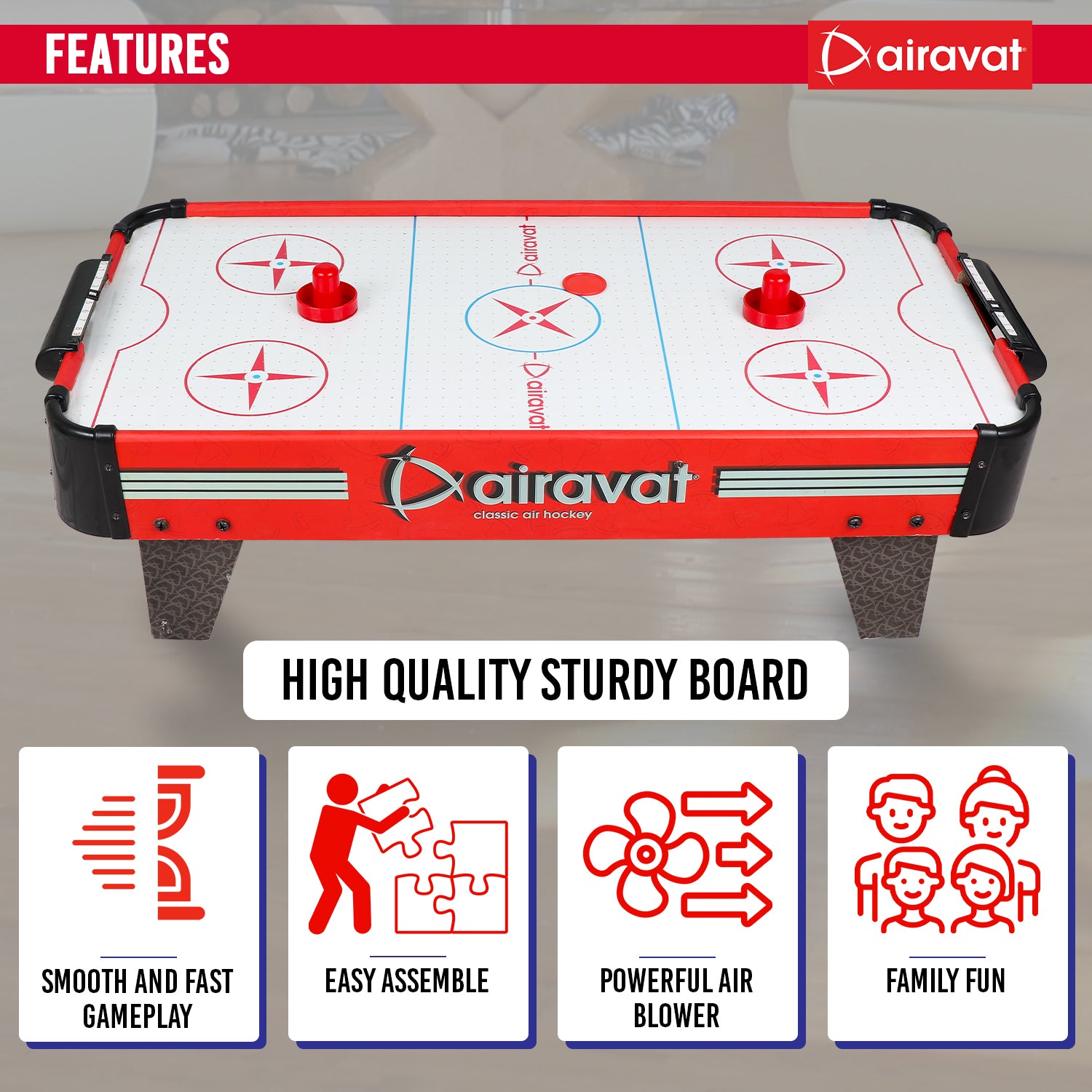
Air hockey is a fast-paced game that depends heavily on its equipment. Each piece plays a key role in the player’s experience and success. Understanding the main equipment helps you appreciate the game better. The basic set includes the puck, pusher, table, and goals.
Puck
The puck is a small, round plastic disc. It glides on a cushion of air across the table. The puck is light and smooth to reduce friction. Its design allows quick and precise movements. Players hit the puck to score points.
Pusher
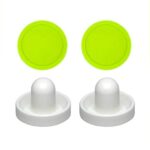
The pusher is also called a striker or mallet. It is used to hit and control the puck. The pusher has a handle and a flat base. Players hold the handle to slide the pusher on the table. Pushers come in different sizes and weights. The right pusher can improve your control and speed.
Table
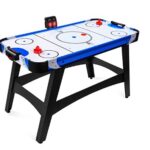
The air hockey table is the playing surface. It has tiny holes that release air. This air creates a thin cushion for the puck to float on. The table is smooth and usually made of wood or plastic. It has raised edges to keep the puck in play. A good table offers even air flow and stability.
Goals
Goals are located at each end of the table. They are openings where players try to score. Each goal has a net or a slot to catch the puck. The size of the goal affects the difficulty of scoring. Properly sized goals make the game fair and fun.
Credit: airavatindia.com
Basic Terms
Understanding the basic terms in air hockey helps beginners enjoy the game more. These simple words explain the key actions and objects used during play. Knowing them makes it easier to follow the game and improve skills.
Face-off
The face-off starts the game or restarts play after a goal. Both players place their mallets behind their goal lines. The puck is dropped between them to begin the match. Quick reactions during the face-off can give a big advantage.
Goal
A goal happens when the puck crosses the opponent’s goal line. Each goal scores one point for the player who hit the puck. The main aim is to score more goals than the opponent. Defending the goal is just as important as scoring.
Serve
The serve is the action of putting the puck into play. The player serving places the puck on their side of the table. They hit the puck to start the round or after a goal. A good serve can set the tone for the game.
Strike
A strike is a strong hit made with the mallet to move the puck. Players use strikes to score goals or defend their side. The power and accuracy of a strike affect how well the puck moves. Practicing strikes improves control and speed in the game.
Shot Types
Understanding different shot types is key to improving your air hockey skills. Each shot offers unique ways to score or defend. Knowing these shots helps you play smarter and surprise your opponent.
Bank Shot
A bank shot happens when the puck hits the side wall first. It then bounces toward the goal. This shot confuses opponents because the puck does not go straight. It needs good aim and timing to work well.
Straight Shot
The straight shot is the simplest and fastest way to score. You hit the puck directly at the goal without bouncing. Speed and accuracy are important here. It is often used for quick attacks.
Deflection
Deflection occurs when the puck changes direction after hitting your mallet or another object. You can use this to trick the opponent’s defense. This shot requires good control and quick reflexes.
Block
A block is a defensive move, not a shot. You stop the puck from entering your goal by placing your mallet in its path. It needs fast reaction and steady positioning. Blocking helps keep the score low for your side.
Player Roles
In air hockey, each player takes on a specific role to increase their chances of winning. Understanding these roles helps players focus on their strengths and improve their gameplay. The main player roles include offense, defense, and goalkeeper. Each role has unique responsibilities and skills.
Offense
The offense role focuses on scoring goals against the opponent. Offensive players use quick strikes and precise shots to get the puck past the goalkeeper. They often try to confuse the opponent with fast moves and unexpected angles. Good offense requires sharp reflexes and good aim.
Defense
Defense players work to stop the puck from reaching their goal. They block shots and try to control the puck’s movement. Defensive skills include quick reactions and the ability to predict the opponent’s next move. Defense players must stay alert and keep their mallet in position.
Goalkeeper
The goalkeeper protects the goal area and prevents the puck from scoring. This role needs quick hands and strong focus. Goalkeepers must move fast and cover the goal using their mallet. They often use blocking techniques and try to clear the puck to their teammates.
Gameplay Actions
Gameplay actions form the core of air hockey. They shape every moment on the table. Understanding these actions helps players improve their skills and enjoy the game more. Four key actions define the flow of an air hockey match: passing, scoring, blocking, and clearing. Each plays a distinct role in offense and defense.
Passing
Passing means sending the puck to your partner or a better position. It helps control the puck and set up scoring chances. Quick, accurate passes keep the opponent guessing and off balance. Skilled players use passing to create space and open goals.
Scoring
Scoring happens when the puck crosses into the opponent’s goal. It is the main goal of the game. Players aim to shoot the puck fast and precisely to beat the goalie. Different shots like wrist shots or bank shots increase chances of scoring.
Blocking
Blocking stops the puck from entering your goal. Good blocking requires fast reflexes and strong defense. Players position their mallet to cover the goal and react to shots quickly. Effective blocking can turn defense into offense.
Clearing
Clearing means hitting the puck away from your goal area. It helps reduce pressure and resets the play. Clearing can be a strong, long hit or a controlled pass to a teammate. This action keeps the opponent from scoring easily.
Credit: quillbot.com
Fouls And Violations
Fouls and violations keep air hockey fair and fun. Players must follow rules to avoid penalties. Understanding these fouls helps improve gameplay and sportsmanship.
Touching Puck With Hand
Players cannot touch the puck with their hands. Only the mallet should move the puck. Hand contact stops the game and causes a foul. This rule prevents unfair puck control.
Striking Rules
The mallet must strike the puck, not the opponent or table. Hitting the puck too hard or in a dangerous way is forbidden. Striking violations result in lost turns or puck possession. Keep strikes clean and controlled.
Over-the-goal Violations
Players cannot reach over the goal to hit the puck. This blocks the opponent’s view and breaks fair play. Over-the-goal fouls cause the puck to be reset. Stay behind the goal line during play.
Strategies
Effective strategies make air hockey more exciting and competitive. Players focus on smart moves to score and defend. Understanding key tactics helps control the puck and outplay opponents. The following sections cover essential strategies that improve your game.
Positioning
Good positioning helps protect your goal and prepare for attacks. Stay centered to cover more table area. Keep your mallet close to the puck but ready to move fast. Avoid leaning too far forward or backward. Balance speed and control by adjusting your stance.
Shot Placement
Placing shots in tricky spots confuses your opponent. Aim for the corners or sides of the goal. Use bank shots by bouncing the puck off the walls. Change your shot speed to keep opponents guessing. Precise shots increase your chances of scoring.
Puck Control
Controlling the puck lets you set up better shots. Use smooth, light taps to keep the puck close. Avoid wild hits that send the puck flying away. Practice quick changes in direction to trick your opponent. Good puck control creates more scoring chances.
Common Slang
Air hockey has its own unique slang that players use during matches. These terms make the game more fun and easier to follow. Knowing the common slang helps beginners fit right in and enjoy the game. Here are some popular words you will hear around the air hockey table.
Knob
The “knob” is the handle part of the mallet. Players grip the knob to control their shots. It is usually rounded and fits comfortably in the hand. A good knob lets you move quickly and aim better.
Mallet
The “mallet” is the paddle used to hit the puck. It is also called a striker or pusher. Mallets come in different sizes and weights. Choosing the right mallet helps you block shots and score goals more easily.
Hoser
“Hoser” is a friendly term for a player who is not very skilled. It is often used in a joking way. Calling someone a hoser means they miss shots or lose often. It adds some humor during casual games.
Frequently Asked Questions
What Are The Things Called In Air Hockey?
In air hockey, the main items are the puck (a lightweight plastic disc) and mallets, also called pushers or strikers, used to hit the puck.
What Are The Terms Used In Hockey?
Common hockey terms include puck (the disc), mallet or striker (used to hit the puck), goal, face-off, and bank shot. Players aim to score by striking the puck into the opponent’s goal using mallets on a smooth table.
What Are The Hitters Called In Air Hockey?
The hitters in air hockey are called pushers, strikers, or mallets. They are handheld discs used to strike the puck.
What Is The Hitting Thing In Air Hockey Called?
The hitting tool in air hockey is called a pusher, striker, or mallet. Players use it to hit the puck.
Conclusion
Understanding air hockey terms helps you enjoy the game more. Knowing words like puck, mallet, and bank shot makes play clearer. These simple terms guide players to follow rules and improve skills. Whether playing casually or competitively, the language adds fun and fairness.
Practice using these words to feel confident at the table. Now, you can join any game and understand the action better. Keep these terms in mind and enjoy every match you play.