Skip to content
Have you ever watched a hockey game and wondered what the circles on the ice really mean? Those bold, colorful rings aren’t just for decoration—they play a big role in how the game is played.
Understanding these circles can change the way you watch hockey and make every moment on the ice more exciting. Keep reading, and you’ll discover exactly why these circles matter and how they shape the game you love.
Faceoff Circles
Faceoff circles are key parts of the hockey rink. They are large circles painted on the ice where play often stops. Players use these circles to restart the game quickly and fairly. Faceoff circles help keep the game organized and fast.
Locations On The Ice
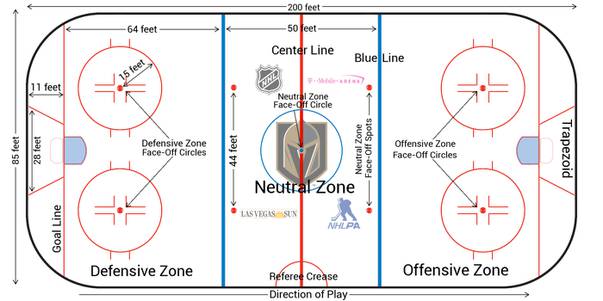
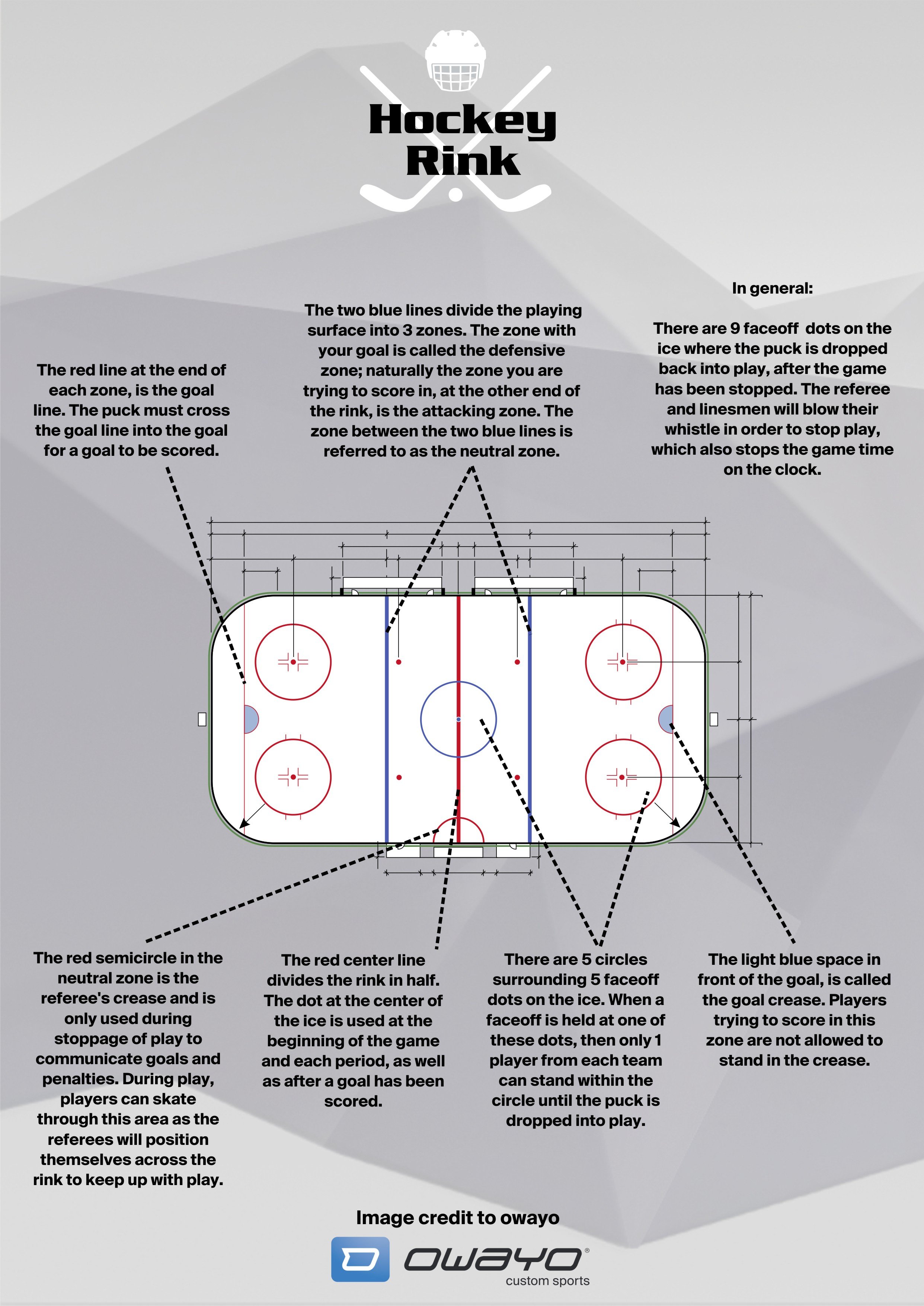
There are five faceoff circles on a hockey rink. Two are near each team’s goal, called defensive zone circles. Two more are near the center of the rink, called offensive zone circles. The last one is in the middle of the rink, called the center ice circle. Each circle serves a specific purpose during the game.
Role In Game Play
Faceoff circles restart the game after a stoppage. Players line up inside the circle to compete for the puck. Winning a faceoff means gaining control of the puck. This can lead to scoring chances or defense setup. Faceoff circles create quick restarts and fair contests.
Rules Governing Faceoffs
Players must follow strict rules during faceoffs. Only two players face each other at the dot in the circle. Other players stay outside the circle until the puck drops. Players cannot move early or block opponents unfairly. Referees watch closely to keep the faceoff fair and safe.
Center Ice Circle
The center ice circle is a key part of the hockey rink. It is a large red circle located at the middle of the ice. This circle plays an important role in starting the game and restarting play after goals. Players gather here for faceoffs, which help control the flow of the game.
Starting The Game
The game begins with a faceoff inside the center ice circle. Two players face each other while the referee drops the puck between them. This moment sets the tone for the whole match. Teams try to win the puck to gain early control and create scoring chances.
Faceoffs After Goals
After a goal, the play restarts with a faceoff at the center ice circle. Both teams line up in their positions for the puck drop. This helps reset the game and gives both sides a fair chance to compete. The center circle ensures the game stays balanced and fair after each score.
Defensive Zone Circles
The defensive zone circles are key parts of the hockey rink. These circles appear near each goal and help teams organize during play. They guide players on where to stand and move, especially during faceoffs. Understanding these circles helps players stay ready and focused.
These circles mark the spots where faceoffs happen after stoppages in play. Coaches plan strategies around these areas to protect the goal. Defenders use the circles to position themselves effectively and block opponents.
Positioning For Faceoffs
Players line up inside the defensive zone circles for faceoffs. The center stands in the middle of the circle to take the puck drop. Defensemen stay around the circle edges to guard against attacks. Good positioning here helps gain control of the puck quickly.
Strategic Importance
The defensive zone circles help teams control the game near their goal. Winning a faceoff inside these circles can stop the opponent’s attack. Defenders use the circles to keep clear lanes and protect the goalie. These circles also help organize quick passes to start offense.
Offensive Zone Circles
The offensive zone circles are key areas on the hockey ice. They are the two large circles near the opponent’s goal. These circles help players plan their attacks and create chances to score. Understanding their purpose can improve how you watch and enjoy the game.
Creating Scoring Opportunities
Players use the offensive zone circles to set up shots on goal. The circles give them space to pass and shoot. They help players find open spots away from defenders. Many goals start from quick passes inside these circles. The circles make it easier to control the puck and aim at the net.
Player Movements And Tactics
Players move around the circles to confuse the defense. They often skate in loops or make sudden stops. These moves create openings for teammates to receive passes. Coaches teach players to use the circles for quick attacks. The circles also allow players to protect the puck while deciding their next move.
Goalie Crease Circle
The goalie crease circle is a special area marked on the hockey ice. It is painted in blue and surrounds the goalie’s net. This circle helps protect the goalie during the game. It also sets clear boundaries for players on the ice.
Protection Area For Goalies
The crease circle shows where the goalie can move freely. It stops other players from getting too close. This space helps the goalie block shots safely. Referees watch this area to keep the goalie safe. It reduces the chance of injury during play.
Rules For Opponents
Opponents cannot enter the crease circle without the puck. Doing so can lead to penalties for interference. Players must respect this space to keep the game fair. The crease circle ensures the goalie has room to defend. It keeps players from crowding the net.
Credit: lasvegassun.com
Circle Markings And Sizes
The circles on a hockey ice rink play a crucial role during face-offs. They help players position themselves correctly and ensure fair play. Each circle has specific markings and sizes that follow set rules. These details make the game organized and easy to follow for players and referees.
Standard Dimensions
Each face-off circle is a perfect circle with a diameter of 30 feet. The circle has a 2-inch wide red outline. Inside, there is a smaller red dot at the center, called the face-off spot. This spot is 12 inches across. The circle helps players know where to stand during face-offs. The size and markings guide the game’s flow and fairness.
Variations Across Leagues
Different hockey leagues may use slightly different circle sizes. For example, international rinks tend to be larger than North American ones. The circle diameters and face-off spots can vary by a few inches. These changes affect player positioning and game speed. Still, the core purpose of the circles stays the same in all leagues.
Impact On Game Strategy
The circles on hockey ice shape how teams plan their moves. These circles help players decide where to pass, shoot, or defend. Each circle has a special role in the game. Teams use these areas to create chances and stop the other side.
Understanding the circles helps players work better together. They guide the flow of the game and affect every play. Coaches teach players to use circles smartly for better results.
Offensive Plays
Offensive players use the circles to find open space. The faceoff circles are key spots for quick passes and shots. Players often gather here to try scoring goals.
The circles help attackers create pressure near the goal. They allow quick puck movement and sudden attacks. Players watch these spots to surprise the goalie.
Defensive Setups
Defenders use the circles to block shots and passes. They position themselves around the circles to protect the goal. The circles act as zones to cut off the opponent’s options.
Teams place defenders inside or near the circles to control attacks. This setup forces attackers to change plans or lose the puck. Circles guide defenders to act fast and smart.
Credit: www.owayo.com
Frequently Asked Questions
What Do The Circles On Hockey Ice Represent?
The circles mark key areas for face-offs during the game. They help organize play after stoppages and ensure fairness.
Why Are There Different Sizes Of Circles On Hockey Ice?
Larger circles, called face-off circles, indicate where players line up. Smaller circles, like the center circle, mark game starts and overtime.
How Do Circles Affect Gameplay In Hockey?
Circles dictate player positioning during face-offs. They influence strategies and puck control, impacting the game’s flow and scoring chances.
Are All Circles On Hockey Ice The Same Color?
No, most circles are red or blue. Colors differentiate zones and improve visibility for players and referees during face-offs.
Conclusion
The circles on hockey ice help players know where to pass and shoot. They mark key spots for face-offs and player positioning. Each circle has a special role during the game. Understanding these circles makes watching hockey easier and more fun.
Next time you watch a game, try spotting these circles and see how players use them. They guide the flow of the game and keep it fair. Knowing about the circles adds a new layer to enjoying hockey. Simple lines, big impact.