Skip to content
Want to crush your next air hockey game and leave your opponents amazed? Whether you’re new to the table or looking to sharpen your skills, mastering air hockey isn’t just about hitting the puck hard.
It’s about smart moves, quick reflexes, and clever strategies that put you one step ahead. In this guide, you’ll discover simple techniques to control the puck, powerful shots to surprise your opponent, and defensive tricks that keep your goal safe.
Ready to take your game to the next level? Keep reading and learn exactly how to be good at air hockey!
You May Like
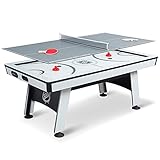
- VERSATILE GAME COMBO: Elevate your home entertainment with the EastPoint…
- AUTHENTIC ARCADE THRILLS: Experience the excitement with LED electronic…
- GLOW-IN-THE-DARK AIR HOCKEY EXPERIENCE – Light up your game nights with…
- LUMEN-X TECHNOLOGY FOR IMMERSIVE PLAY – Built-in cascading LED lights and…
- STRONG MOTOR: Air is evenly spread with the 12V DC motor and adapter,…
- STURDY CONSTRUCTION: Made of high-quality composite wood and PVC, this…
Credit: internetmedica.com.br
Mastering Your Grip
Mastering your grip is key to playing air hockey well. It controls your shots and defense. A good grip helps you move the mallet fast and with power. It also gives better control over the puck. Learning the right way to hold your mallet makes a big difference. Practice the grip to improve your game step by step.
Focus on comfort and control. Your fingers and wrist work together for quick moves. A strong grip lets you react to fast shots easily. It also helps in making accurate hits. Start with simple grips and refine them as you play more.
Three-finger Grip Technique
The three-finger grip is popular among air hockey players. Hold the mallet with your thumb, index, and middle finger. Place these fingers on the mallet’s ridge behind the knob. This grip gives a good balance of power and precision.
Keep your ring and pinky fingers relaxed. This reduces tension and helps quick wrist movements. The three-finger grip allows fast flicks and smooth control. It is easier to change directions with this grip.
Wrist Control For Power
Wrist control adds power to your shots. Use your wrist to flick the mallet instead of your whole arm. Flicking gives faster and stronger hits. Practice small wrist movements to build strength and accuracy.
Strong wrist control helps in both offense and defense. It lets you block shots and make quick returns. Avoid stiff wrists; keep them loose but steady. This way, you get better speed and control over the puck.
Avoiding Common Grip Mistakes
Many players grip the mallet too tightly. This slows down wrist movement and reduces control. Avoid holding the knob too hard. It limits your ability to flick and react fast.
Another mistake is using all fingers to hold the mallet. This creates tension and slows your hand. Use only three fingers and keep others relaxed. Avoid gripping the mallet at the very top. Hold it near the ridge for better leverage and power.
Offensive Shots
Offensive shots are key to scoring points in air hockey. They help you control the game and pressure your opponent. Using different shot types makes you unpredictable and hard to defend against. Focus on speed, angles, and placement to improve your attack.
Straight Shots For Speed
Straight shots are fast and direct. They aim straight at the goal without bouncing off walls. Use your wrist to flick the puck quickly. This shot is good when your opponent is out of position. Practice quick reactions to hit straight shots accurately.
Bank Shots For Angles
Bank shots use the side walls to change the puck’s direction. Hit the puck to bounce once off the wall and then towards the goal. This shot surprises your opponent and creates tough angles. Learn to control the puck’s speed and angle for better bank shots.
Mixing Shot Types
Use both straight and bank shots to confuse your opponent. Changing shots makes it hard for them to predict your next move. Try different speeds and angles during the game. Practice switching shots quickly to keep control of the puck.
Aiming For Goal Corners
Aim your shots at the goal corners for higher chances of scoring. Corners are harder for your opponent to reach. Use straight shots for quick strikes and bank shots to reach tricky corners. Always watch your opponent’s position before shooting.
Defensive Tactics
Defensive tactics form the backbone of strong air hockey play. A solid defense stops your opponent’s attacks and creates chances to score. Learning to defend well means controlling your space, reading your opponent, and staying steady during fast shots. This section explains key defensive moves to improve your game.
Triangle Defense Positioning
Use the triangle position to cover your goal effectively. Place your mallet slightly in front of your goal, forming a triangle with the puck and the goal corners. This setup blocks many direct shots and forces your opponent to aim for difficult angles. Keep adjusting your position as the puck moves.
Staying Central To The Goal
Always stay near the center of your goal. This position allows you to reach both sides quickly. Avoid leaning too far to one side, as it leaves the other side open. Moving with small, quick steps helps you react faster to puck direction changes.
Reading Opponent’s Paddle
Watch your opponent’s paddle carefully to predict their moves. Notice the angle and speed of their mallet before they strike. This gives clues about their shot type and direction. Anticipation helps you block shots before they reach your goal.
Using Body For Stability
Use your body to stay steady during intense rallies. Keep your elbows close to your sides and lean slightly forward. This stance reduces unnecessary movements and improves control over your mallet. A stable body helps you react quickly without losing balance.
Credit: www.7af.pacaf.af.mil
Puck Control Skills
Controlling the puck is essential in air hockey. It helps you keep the game in your hands. Good puck control lets you plan your moves and stay ready for your opponent’s actions.
Focus on slowing the puck, setting up precise shots, and controlling the shot speed. These skills improve your chances of scoring and defending.
Slowing Down The Puck
Slowing the puck gives you time to think. Instead of hitting it fast, gently stop or push it. Use soft touches with your mallet to reduce speed. This keeps the puck close and makes it easier to control. It also helps you avoid mistakes from rushing.
Setting Up Precise Shots
Precise shots target specific spots in the goal. Position the puck carefully before shooting. Aim for corners or gaps your opponent cannot reach. Practice hitting the puck with small, controlled movements. This improves your accuracy and scoring chances. Precision beats power in many situations.
Controlling Shot Speed
Varying shot speed confuses your opponent. Mix fast shots with slow pushes. Use quick flicks for surprise attacks. Use slow, steady shots to keep control. Learning to control speed helps you keep the puck in play longer. It also helps you adapt to different game moments.
Game Strategy
Effective game strategy in air hockey shapes the match’s flow. It helps players stay ahead and respond quickly. Focusing on strategy improves defense and offense. Understanding your opponent and managing the table’s rhythm leads to more wins.
Anticipating Opponent Moves
Watch your opponent’s paddle carefully. Notice their patterns and favorite shots. Predicting their next move gives you extra time to react. Stay alert for sudden changes in speed or direction. Anticipation helps block shots and plan your counterattack.
Controlling Game Pace
Set the tempo that suits your style. Slow the puck down to build control. Speed it up to pressure your opponent. Changing pace keeps your rival guessing. Control makes it easier to manage defense and offense.
Disrupting Opponent Rhythm
Break your opponent’s flow with unexpected moves. Use varied shot speeds and angles. Mix quick strikes with slower plays. Force your rival to adjust constantly. A disrupted rhythm weakens their focus and shot accuracy.

Credit: www.reddit.com
Practice Essentials
Practicing air hockey is the key to improving your skills. It builds your control, speed, and accuracy. Consistent practice helps you react faster and play smarter. Focused drills sharpen your aim and timing. Staying calm and alert during practice prepares you for real matches. Below are essential practice tips to get better quickly.
Regular Drills For Accuracy
Accuracy is crucial in air hockey. Practice hitting specific spots on the table. Use targets or mark areas to aim at consistently. Try straight shots and bank shots to improve precision. Repeat these drills daily to build muscle memory. Accurate shots increase your chances of scoring.
Improving Reflexes
Reflexes decide who wins close matches. Train your hand and eye coordination with fast-paced drills. Play against a timer or a skilled partner to speed up your reactions. Use quick flicks and fast returns to sharpen reflexes. Better reflexes help you block shots and counterattack quickly.
Maintaining Focus During Play
Focus keeps you sharp throughout the game. Avoid distractions and keep your eyes on the puck. Practice mindfulness to stay calm under pressure. Short, focused practice sessions improve concentration. Staying focused helps you predict your opponent’s moves and plan your shots.
Table Setup Tips
Setting up your air hockey table properly can improve your play significantly. A well-prepared table ensures smooth puck movement and fair gameplay. Small adjustments to the setup can make a big difference in your performance and enjoyment.
Ensuring A Level Surface
Check that the table stands evenly on the floor. Use a carpenter’s level to see if the surface is flat. Uneven tables cause the puck to drift, making shots unpredictable. Adjust the table legs or place shims under them until the surface is perfectly level. A flat table helps maintain control and accuracy during the game.
Optimizing Table Conditions
Keep the table clean and free of dust. Dust blocks air holes, reducing puck glide speed. Use a soft cloth to wipe the surface before playing. Check that all air holes blow air evenly. Replace or repair the air blower if airflow is weak. Proper airflow keeps the puck floating and fast, making the game more fun and fair.
Frequently Asked Questions
Where Do You Put Your Weakest Player In Field Hockey?
Place your weakest player on the right side in defense or midfield for easier forehand play. Attackers should be on the left side. This positioning minimizes risk and leverages stronger players in critical areas.
What Age Is Too Late To Start Hockey?
No age is too late to start hockey. Beginners of any age can learn and enjoy the sport with practice and dedication.
Is There Skill In Air Hockey?
Yes, air hockey requires skill in puck control, shot variety, quick reflexes, and strategic defense to outplay opponents effectively.
What Is The Hardest Skill In Field Hockey?
The hardest skill in field hockey is mastering stick control for dribbling and precise ball handling under pressure. It demands coordination, agility, and quick decision-making.
Conclusion
Becoming good at air hockey takes practice and focus. Use the right grip for better control. Watch your opponent’s moves closely. Mix different shots to keep them guessing. Keep your defense tight with a strong position. Play often to improve your reflexes and timing.
Enjoy the game, learn from each round, and stay patient. Small improvements add up over time. Play smart, stay calm, and have fun competing.