Skip to content
Are you ready to raise your air hockey game by mastering the art of stopping the puck? Whether you’re playing casually with friends or aiming to compete seriously, knowing the exact rules around puck control can give you a big edge.
You might think it’s just about swatting the puck away, but there’s a lot more to it—like what’s allowed with your mallet, when you can’t touch the puck, and how to avoid costly fouls that hand your opponent the advantage.
In this guide, you’ll discover the key air hockey rules for stopping the puck, so you can defend like a pro, keep the puck in play, and score more goals. Stick with us, and you’ll never miss a beat at the table again!
You May Like – Best One
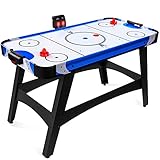
- STRONG MOTOR: Air is evenly spread with the 12V DC motor and adapter,…
- STURDY CONSTRUCTION: Made of high-quality composite wood and PVC, this…
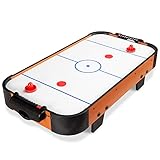
- ARCADE-STYLE GAME: Enjoy intense striking and endless fun with a mini…
- COMPACT & PORTABLE: Crafted with a lightweight design, this compact game…
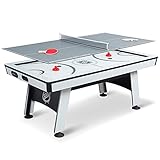
- DYNAMIC GAME EXPERIENCE: The EastPoint Air Hockey Table combines a…
- AUTHENTIC ARCADE GAMEPLAY: LED electronic scoring and stadium sounds bring…
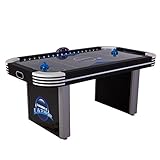
- GLOW-IN-THE-DARK AIR HOCKEY EXPERIENCE – Light up your game nights with…
- LUMEN-X TECHNOLOGY FOR IMMERSIVE PLAY – Built-in cascading LED lights and…

- 48 INCH AIR HOCKEY TABLE: Perfect for any game room and players of all ages…
- MODERN DESIGN: Ditch the low-grade toy tables; Features an updated style…
Basic Stopping Rules
Stopping the puck correctly is key in air hockey. Basic stopping rules help players control the puck and defend well. Following these rules keeps the game fair and fun. Understanding each rule improves your skill and enjoyment.
Mallet Only Use
Players must use the mallet to stop the puck. Hands or other body parts cannot touch the puck. Using the mallet ensures fair play and safety. This rule keeps the game focused on skill with the mallet.
No Topping Allowed
Topping means pushing the puck with the mallet’s edge. This move is not allowed. The mallet must hit the puck flat and cleanly. Stopping the puck with the side or top of the mallet is a foul.
No Goaltending Foul
Players cannot cross the centerline with their mallet. Crossing the line to stop the puck is goaltending. This foul gives possession to the opponent. Staying behind the line keeps the game fair.
Handling Airborne Puck
The puck can jump or fly during play. Players must not catch or hold it by hand. Only the mallet can touch the puck, even in the air. Let the puck land or hit it with the mallet.
Optimal Mallet Position
Keep the mallet close to the puck for quick stops. Position it flat and steady on the table surface. This stance helps block shots and control rebounds. Good mallet position improves defense and response time.
Restarting Play
Restarting play in air hockey happens after the puck stops or goes out of bounds. The rules ensure the game moves smoothly and fairly. Knowing how to restart keeps players ready and the match exciting. This section explains key moments for restarting play, like serving after a goal and what happens if the puck leaves the table.
Serving After Goal
After a goal, the player who conceded serves the puck. The puck must be placed at the center spot. The server hits the puck to start the next round. Players must stay on their side until the puck moves. This rule keeps the play fair and balanced.
Puck Out Of Play Consequences
If the puck flies off the table, play stops immediately. The puck is placed back at the center for a new serve. No points are scored from this play. Both players must be ready before the puck is served again. This rule prevents unfair advantages and keeps the game fair.
Common Fouls
Understanding common fouls is key to playing air hockey fairly. Fouls can stop the puck and shift possession. Knowing what counts as a foul helps players avoid penalties and keep the game smooth. Here are the most frequent fouls in air hockey related to stopping the puck.
Crossing Centerline
Players must keep their mallet on their side of the table. Crossing the centerline with the mallet is a foul. It blocks the opponent’s play and can unfairly stop the puck. Referees often call this to keep the game fair and safe.
Illegal Mallet Movements
Moving the mallet in ways not allowed causes fouls. Lifting the mallet off the table to hit the puck is illegal. Also, spinning or sliding the mallet in a way that hits the puck unfairly counts as a foul. These moves can stop the puck suddenly and disrupt play.
Possession Violations
Players cannot hold the puck on their side without playing it. Keeping the puck still or blocking it with the mallet is a foul. This stops the puck and wastes time. Possession rules keep the game fast and exciting for both players.
Defensive Techniques
Defensive techniques in air hockey help players stop the puck and protect their goal. Strong defense keeps the puck away from the net. It requires quick reactions and smart strategies. Learning these techniques improves your chances of winning matches. Here are some common defensive methods to try during play.
Triangle Defense Strategy
The triangle defense uses three points to cover the goal area. Position your mallet at the center and slightly to each side. This creates a triangle shape that blocks many puck paths. It reduces open angles for your opponent’s shots. Move your mallet quickly between these points to react fast.
Bank Shot Blocks
Bank shots bounce the puck off the table’s sides toward the goal. To stop them, watch the puck’s angle carefully. Position your mallet near the side where the puck will come. Use a firm but controlled hit to block or redirect the puck. Practicing this helps prevent surprise goals.
Positioning For Saves
Good positioning means placing your mallet where the puck will arrive. Stay centered in front of the goal most of the time. Keep your mallet low and ready to move sideways quickly. Anticipate your opponent’s moves by watching their mallet and puck closely. Proper positioning cuts down scoring chances.
Offensive Puck Control
Offensive puck control is key to scoring points in air hockey. Holding the puck lets you set up smart moves. It also makes it hard for your opponent to attack. Good control means you can plan shots and keep pressure on the other player. Understanding how to manage the puck well improves your chance to win.
Maintaining Possession
Keep the puck close to your mallet to avoid losing it. Use soft, controlled touches instead of hard hits. This helps you keep the puck on your side of the table. Move the puck slowly to find openings in your opponent’s defense. Stay calm and steady to keep control longer.
Effective Puck Placement
Place the puck near your opponent’s goal but out of reach. Aim for spots that are hard for them to defend. Use angles to make the puck bounce unpredictably. This forces your opponent to react quickly and may cause mistakes. Good placement creates chances to score easily.
Timing Your Shots
Wait for the right moment before shooting the puck. Watch your opponent’s position and movement carefully. Shoot when they are off balance or not ready. Quick, well-timed shots increase your chance to score. Practice timing to improve accuracy and surprise your opponent.
Pro Tips For Mastery
Improving your air hockey skills demands focus and smart practice. Pro tips help you control the puck and stop it effectively. These strategies sharpen your play and give you an edge against opponents.
Reading Opponent Moves
Watch your opponent’s body and paddle carefully. Notice their hand position and speed. Predict where they want to hit the puck next. This helps you prepare your defense and block shots better. Staying calm allows you to spot their patterns more clearly.
Improving Reaction Time
Quick reflexes are key in air hockey. Train your eyes and hands to move faster. Use flash drills that require instant responses. Practice catching or hitting the puck as soon as it appears. Faster reactions mean you stop the puck before it reaches your goal.
Practice Drills
Set up drills focusing on puck control and stopping techniques. Try passing the puck back and forth with a partner. Use targets to improve your aim and speed. Practice stopping the puck from different angles. Regular drills build muscle memory and boost confidence.
Frequently Asked Questions
What Is Illegal In Air Hockey?
Illegal actions in air hockey include crossing the centerline with your mallet, topping the puck, and using hands or body to block it. Players cannot hit the puck completely on the opponent’s side or trap it, or they forfeit possession.
Is The Gretzky Rule Still In Effect?
The Gretzky rule, which limited scoring during power plays, was repealed and is no longer in effect today.
Can A Player Stop The Puck By Using Their Hands?
Players cannot stop the puck with their hands in air hockey. Only the mallet can contact the puck. Using hands causes a foul.
What Is Rule 46 In Hockey?
Rule 46 in hockey prohibits fighting and outlines penalties like major penalties, game misconducts, and instigator penalties for players involved.
Conclusion
Stopping the puck in air hockey follows clear rules. Use only your mallet to block or control the puck. Avoid touching the puck with your hands or body. Crossing the centerline with your mallet causes a foul. Keeping these rules in mind helps fair play.
Practice will improve your puck control skills. Enjoy the game with respect for all players. Playing by the rules makes air hockey fun for everyone.