Skip to content
Are you ready to dominate your next air hockey match? Whether you’re a complete beginner or looking to sharpen your skills, knowing the official air hockey table game rules is your first step to victory.
This fast-paced game is all about quick reflexes and smart strategy, but without a clear grasp of the rules, you could easily lose your edge. In this guide, you’ll discover everything you need to know—from how to serve the puck properly to the dos and don’ts that keep the game fair and fun.
Stick with me, and you’ll be playing like a pro in no time, impressing your friends and maybe even winning that next game in Austin, Texas, or wherever you play. Let’s dive into the essentials that will transform your air hockey experience!
You May Like
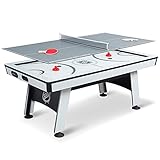
- DYNAMIC GAME EXPERIENCE: The EastPoint Air Hockey Table combines a…
- AUTHENTIC ARCADE GAMEPLAY: LED electronic scoring and stadium sounds bring…
- ARCADE-STYLE GAME: Enjoy intense striking and endless fun with a mini…
- COMPACT & PORTABLE: Crafted with a lightweight design, this compact game…

- High-Performance Air Flow System: Equipped with a 12V 500mA motor and a…
- Accurate Digital Scoring: The easy-to-read LED digital scoreboard brings a…
- STRONG MOTOR: Air is evenly spread with the 12V DC motor and adapter,…
- STURDY CONSTRUCTION: Made of high-quality composite wood and PVC, this…

- DYNAMIC LED LIGHT SHOW WITH SOUND EFFECTS – Built-in RGB lighting reacts…
- 3 GAME MODES FOR COMPETITIVE VARIETY – Choose from Standard Mode (first…
Basic Rules
Understanding the basic rules of air hockey helps players enjoy the game more. These rules keep the match fair and exciting. Knowing them also improves your skills and game strategy. Here are the essential rules every player should follow.
Scoring Goals
A goal scores when the puck fully crosses the opponent’s goal line. Each goal counts as one point. The first player to reach the agreed score wins. After a goal, the puck resets for the next serve.
Starting The Game
The game begins with a coin toss to decide who serves first. The winner chooses to serve or receive. The server places the puck in their goal area before the first strike. Both players must be ready before the puck is served.
Serving Rules
The puck must be served from inside the server’s goal area. The server hits the puck to start play. The receiver must stay behind their goal line until the puck moves. Serves must be fair and not aimed directly at the opponent.
Centerline Restrictions
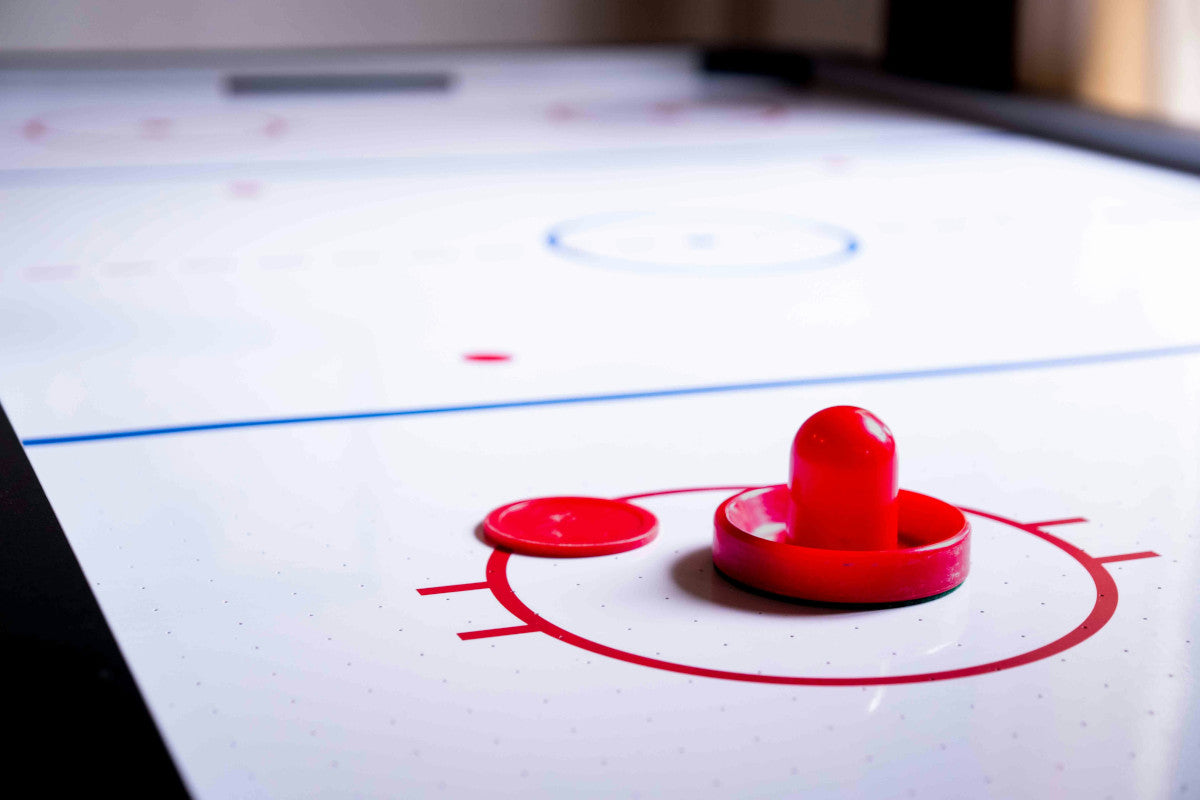
Players must keep their mallets on their side of the centerline. Crossing the centerline with the mallet is not allowed unless the puck is on the line. This rule prevents players from invading the opponent’s side unfairly.
Puck Contact Fouls
Players can only hit the puck with their mallet. Touching the puck with hands, arms, or body causes a foul. Lifting the mallet over the puck to stop or hold it is also a foul. Fouls may result in loss of serve or point.
Malfunction And Time Limits
If the puck or table malfunctions, the referee stops the game. The puck resets at the last correct position before the issue. Each player has a time limit to make a move. Exceeding this limit may cause loss of turn or serve.
Credit: pooltableportfolio.com
Gameplay Techniques
Gameplay techniques shape every match in air hockey. These skills improve control and increase scoring chances. Players who focus on techniques can defend well and surprise opponents.
Grip And Control
Hold the mallet with your fingers, not just the handle. This grip gives better control and faster movement. Keep your hand relaxed to react quickly. A firm but flexible hold helps guide the puck more precisely.
Defensive Positioning
Stand slightly in front of your goal, not directly on the line. Use a triangle stance to cover more angles. Move your mallet to block shots and stay ready to push the puck away. Good positioning stops many scoring attempts.
Offensive Strategies
Mix straight shots with angled bank shots off the rails. Change your shot speed to confuse your opponent. Aim for open spaces and corners to score. Use quick strikes to keep your rival off balance.
Shot Variations
Try different shot types: fast shots, slow pushes, and quick taps. Use bank shots to bend the puck around blockers. Varying shots makes it harder for opponents to predict your moves. Practice these to keep your game dynamic.
Pace Control
Control the game’s speed by changing shot timing. Slow the puck to gain control or speed it up to pressure opponents. Keeping the puck moving reduces your chance of mistakes. Good pace control helps you manage the flow of the match.
Anticipating Opponents
Watch your opponent’s mallet closely. Predict their next move based on their position and motion. React early to block shots or set up counters. Anticipation improves defense and creates scoring chances.
Table Mechanics
The mechanics of an air hockey table play a vital role in the game’s speed and excitement. Understanding how the table works helps players appreciate the smooth gameplay and quick puck movement. Each part of the table contributes to the overall experience, from the air cushion to the playing surface design.
Air Cushion System
The air cushion system creates a thin layer of air under the puck. This layer reduces friction between the puck and the table. Small holes across the table surface release air evenly. The puck glides smoothly over this air cushion, allowing fast and precise movements. This system makes the game fast and fun.
Blower And Fan Setup
The blower or fan is the heart of the air cushion system. It forces air through the holes in the table. The blower is usually located under the table’s surface. It must run continuously during gameplay. A strong blower keeps the puck floating steadily above the table. This setup ensures consistent puck speed and control.
Playing Surface Design
The playing surface is smooth and flat to support puck glide. It often has a glossy finish to reduce friction further. The surface is made of materials like laminate or polished wood. Side rails surround the surface to keep the puck in play. The design helps players perform quick shots and rebounds.
Puck Movement
The puck moves by sliding on the air cushion created by the blower. It responds quickly to the player’s mallet hits. Puck speed and direction change instantly based on impact. The smooth surface and air cushion allow fast, smooth puck movement. This makes every match exciting and dynamic.

Credit: blattbilliards.com
Common Fouls
In air hockey, understanding common fouls helps keep the game fair. Fouls can disrupt play and give an unfair advantage. Knowing these fouls improves your skills and game experience.
Palming The Puck
Palming the puck means touching it with your hand or arm. Only the mallet should touch the puck during play. Using your hand to stop or move the puck is against the rules. This foul often results in losing possession or a penalty.
Crossing The Centerline
Players must keep their mallets on their side of the table. Crossing the centerline with the mallet is not allowed unless the puck is on the line. This rule prevents unfair blocking and interference. Crossing early can lead to a foul call by the referee.
Holding The Puck
Holding the puck means stopping it by lifting the mallet over it. This stops the flow of the game. Air hockey requires fast, continuous play. Holding the puck is a foul and often results in a loss of serve or point.
Interfering With Opponent
Interference happens when a player blocks or distracts their opponent illegally. This includes reaching over the table or touching the opponent’s mallet. Fair play means focusing on the puck only. Interference fouls can lead to penalties or loss of points.
Winning Strategies
Winning at air hockey requires more than just fast reflexes. It demands smart tactics and careful thinking. Using the right strategies can increase your chances of scoring and defending well. This section shares key methods to help you play smarter and win more often.
Mixing Shot Types
Using different types of shots keeps your opponent guessing. Try straight shots to the goal for quick points. Add bank shots by bouncing the puck off the sides. This variety makes it hard for opponents to predict your next move. Change shot speed to add extra challenge. Mixing shots creates pressure and opens scoring chances.
Controlling The Table
Keep the puck in your control as much as possible. Move it slowly to tire your opponent. Push the puck to corners to limit their options. Avoid giving easy returns or rebounds. Control lets you set the pace of the game. It helps you prepare for attacks and create scoring chances.
Defensive Vs Offensive Balance
Good players balance defense and offense well. Focus on blocking shots and guarding your goal. Use a triangle stance to cover angles better. Attack smartly by looking for openings in defense. Switching between defense and offense keeps you ready. Balance stops your opponent from gaining advantage.
Reading Opponent Moves
Watch your opponent’s mallet closely. Notice their hand speed and position. Predict where they will hit the puck next. React quickly to block or counterattack. Recognizing patterns helps you guess their plans. Reading moves gives you a chance to stay one step ahead.
Tournament Rules
Tournament rules keep air hockey fair and fun for all players. They set clear limits and guidelines to ensure smooth play. Every official match follows these rules to maintain consistency and sportsmanship. Understanding these rules helps players prepare and compete confidently.
Match Duration
Matches usually last a set time or until a player reaches the point limit. Common match times range from 5 to 10 minutes. If time ends without a winner, the player with the most points wins. This keeps games fast and exciting for players and spectators.
Point Limits
Each match has a fixed point goal, often 7 or 10 points. The first player to reach this limit wins the match. Players must win by at least a two-point margin. This rule prevents ties and encourages clear victories.
Serve Alternation
Players alternate serves after each goal is scored. The player who concedes a goal serves next. This rule balances the advantage and keeps both players alert. Proper serving order is essential for fair play.
Official Equipment Standards
Tournament tables meet strict size and air pressure standards. Pucks and mallets must be official and regulation size. Proper equipment ensures consistent puck speed and bounce. Using standard gear keeps matches fair and skill-based.

Credit: www.amazon.com
Frequently Asked Questions
How To Play Air Hockey Table Game?
To play air hockey, each player uses a mallet to strike the puck and score goals in the opponent’s net. Serve starts after a coin toss. Keep mallets on your side, hit only the puck, and avoid fouls. Defend your goal and aim quick, strategic shots.
What Are The Basic Rules Of Air Hockey?
Players use one mallet each to strike the puck, aiming to score in the opponent’s goal. Stay on your side of the centerline. Serve starts after a coin toss or after a goal. Do not touch the puck with hands or lift the mallet over it.
How Does An Air Hockey Table Work?
An air hockey table uses a fan to blow air through tiny holes, creating a frictionless cushion. This lifts the puck, allowing it to glide smoothly. Players strike the puck with mallets to score goals, enabling fast and exciting gameplay.
Can You Lift Your Mallet In Air Hockey?
You can lift your mallet in air hockey, but avoid raising it over the puck to hold or stop it. This action is a foul. Always keep your mallet in contact with the table surface during play for fair and proper gameplay.
Conclusion
Understanding air hockey table game rules helps you enjoy the game more. Keep your mallet on your side, except when the puck is on the centerline. Always serve the puck from your goal after a score. Avoid fouls like touching the puck with your hand or lifting the mallet over it.
Use simple strategies like mixing shots and watching your opponent’s moves. Practice these rules and tips to play fair and have fun every time. Air hockey is quick, exciting, and easy to learn with clear rules.