Skip to content
Ready to dominate your next air hockey game? Whether you’re a casual player or looking to impress your friends with some serious skills, mastering a few key tips can make all the difference.
You’ll discover simple yet powerful strategies to improve your speed, accuracy, and defense. Imagine winning more matches and feeling confident every time you step up to the table. Keep reading, and you’ll unlock the secrets that top players use to stay one step ahead.
Your journey to becoming an air hockey champion starts here!
Grip And Control
Grip and control are key to playing air hockey well. A steady hold on the mallet helps you strike the puck with accuracy. Control lets you react fast to your opponent’s moves. Improving your grip will boost your chances of scoring and defending.
Proper Mallet Hold
Hold the mallet firmly but not too tight. Use your fingers around the handle for a steady grip. Keep your thumb resting on top for balance. Avoid gripping too hard as it limits wrist movement. A relaxed hold helps you move the mallet smoothly.
Wrist Power Techniques
Use your wrist to add speed and spin to shots. Flick your wrist quickly to surprise your opponent. Practice short, sharp wrist movements for better control. Strong wrist action helps in both offense and defense. Avoid using only your arm; the wrist gives better precision.
Maintaining Quick Movements
Stay light on your feet and keep your hand ready. Quick mallet movements help block fast shots. Move the mallet in small, controlled steps. Avoid large, slow swings that waste time. Speed and control together improve your game dramatically.
Defensive Positioning
Defensive positioning is key to stopping your opponent’s attacks in air hockey. Good defense lowers their chance to score. It helps you control the game pace. You need to stay alert and ready to block shots.
Strong defensive skills protect your goal and create chances for counterattacks. Practice the right stance and movement. Learn to read your opponent’s moves quickly. Defending well forces mistakes and opens scoring opportunities.
Triangle Defense Setup
The triangle defense places your mallet and hands in a triangle shape. One point blocks the center of the goal. The other two points cover the sides. This setup covers more goal area and reacts fast to shots.
Keep your mallet near the center point. Use your hands and wrist to move sideways. This shape keeps you balanced and ready. It helps to block straight and angled shots easily.
Anticipating Opponent Shots
Watch your opponent’s paddle and body closely. Their angle and speed hint at where they will shoot. Predicting their shot gives you more time to react. Stay focused on their hand, not the puck.
Practice reading small moves and changes in speed. Expect quick shots and fake moves. Moving early to the predicted spot improves your chance to block. Anticipation is a skill that grows with practice.
Using The Goalkeeper Effectively
Your mallet is your goalkeeper in air hockey. Keep it low and close to the goal line. This position helps you cover the bottom of the goal. Move smoothly to block incoming shots.
Don’t lift your mallet too high or far from the goal. Stay light on your feet to move fast. Use short, controlled moves to save powerful shots. Keeping calm and steady helps you defend better.
Shot Variety
Variety in your shots keeps your opponent guessing. Different shots create pressure and open scoring chances. Changing your shot style makes you harder to predict. Use a mix of power, angles, and deception to win more points.
Straight Powerful Shots
Straight powerful shots aim directly at the goal. They rely on speed and accuracy. Hit the puck firmly to surprise your opponent. Practice hitting the puck hard without losing control. These shots work well when the goal is open.
Bank Shots And Angles
Bank shots bounce the puck off the side walls. They create tricky angles that confuse defenders. Learn to aim your shots to hit the rails just right. Use angles to reach areas your opponent cannot cover easily. This technique forces your opponent to move more.
Deceptive And Trick Shots
Deceptive shots mislead your opponent about your aim. Fake a straight shot, then quickly change direction. Use slow shots followed by sudden fast strikes. Trick shots break your opponent’s rhythm. Surprise is key to scoring with these moves.
Puck Momentum
Puck momentum plays a key role in air hockey. It affects how the puck moves and reacts on the table. Understanding momentum helps you defend better and score more goals. It also lets you predict your opponent’s moves. Keeping track of puck momentum improves your overall play.
Reading Puck Speed
Watch the puck carefully as it moves. Fast puck speed means less time to react. Slow speed gives you a chance to plan your move. Notice changes in speed after hits or deflections. This helps you prepare for the next shot.
Controlling Puck Direction
Use your paddle to guide the puck where you want. Small touches can change the puck’s path. Angling your paddle affects the direction and speed. Try to send the puck to your opponent’s weak spots. Control is key to keeping the puck in play.
Adjusting To Opponent Play
Watch how your opponent hits the puck. Note their speed and direction patterns. Change your defense based on their style. Move your paddle to block likely shots. Adapting quickly keeps you ahead in the game.
Offensive Strategies
Offensive strategies in air hockey focus on scoring more points than your opponent. Good offense means smart moves, quick shots, and spotting chances to score. Using strong tactics keeps your opponent on the defensive and helps you control the game pace.
Creating Scoring Opportunities
Start by controlling the puck with steady, precise hits. Move it quickly from side to side to confuse your opponent. Look for open spaces near their goal to shoot. Make your shots hard to predict by changing speed and angle. This keeps your opponent guessing and opens chances to score.
Combining Shot Types
Mix different shots to surprise your opponent. Use fast straight shots to test their reflexes. Add angled shots to hit difficult spots. Try slow, curved shots to trick their defense. Switching shots stops your opponent from settling into a rhythm. This variety makes scoring easier.
Exploiting Opponent Weaknesses
Watch how your opponent plays and find their weak spots. Aim for areas they leave open or defend poorly. Notice if they struggle with fast shots or tricky angles. Use that knowledge to focus your attacks. Targeting weaknesses gives you a clear advantage and more scoring chances.
Defensive Strategies
Defense is a key part of winning at air hockey. Strong defense stops your opponent’s attacks. It keeps the puck away from your goal. Using smart defensive strategies helps control the game pace and reduces scoring chances for your opponent. Focus on positioning, quick moves, and smart counterattacks to improve your defense skills.
Blocking Key Angles
Blocking key angles stops the puck from going into your goal. Keep your mallet in the center. Watch where the puck is heading. Move to cover the most likely shots. Angles near the goal corners are common targets. Position your mallet to cut off these paths. This forces your opponent to take harder shots. Stay balanced and ready to adjust quickly.
Quick Defensive Reactions
React fast to surprise shots. Eyes must track the puck at all times. Keep your hand loose and ready to move. Use short, sharp movements to block the puck. Avoid overreaching, which can leave your goal open. Practice drills that improve your reflexes. Fast reactions can save even the toughest shots. Stay calm and focused to read the puck’s path.
Counterattacking Techniques
After blocking, look for chances to counterattack. Push the puck quickly to catch your opponent off guard. Aim for open spaces or weak spots in their defense. Use controlled shots rather than wild swings. A well-timed counterattack can score points easily. Mix defense and offense to keep your opponent guessing. Good counters turn defense into scoring chances.
Practice Drills
Practice drills build strong skills for air hockey players. They help improve key areas like reaction speed, shot accuracy, and defense. Regular drills make your play sharper and more confident. Consistent practice leads to better control and faster responses during matches.
Improving Reaction Time
Quick reactions are vital in air hockey. Use drills that involve fast returns and unpredictable shots. Have a partner shoot pucks randomly at you. Try to block or hit the puck as fast as possible. Another drill is to practice with a ball machine or a timer. These exercises train your eyes and hands to work faster.
Shot Accuracy Exercises
Target practice improves shot precision. Set small targets on the opponent’s side of the table. Aim your shots carefully at these spots. Start close, then increase the distance. Practice hitting corners and edges. Use slow, controlled movements first, then increase speed. This builds muscle memory for accurate strikes during games.
Defensive Positioning Drills
Good defense stops the opponent’s shots. Practice moving your paddle side to side quickly. Stay centered and ready to block. Use drills where your partner tries different shot angles. Focus on keeping your paddle between the puck and your goal. Learn to read the puck’s path early. This helps you position yourself better to defend.
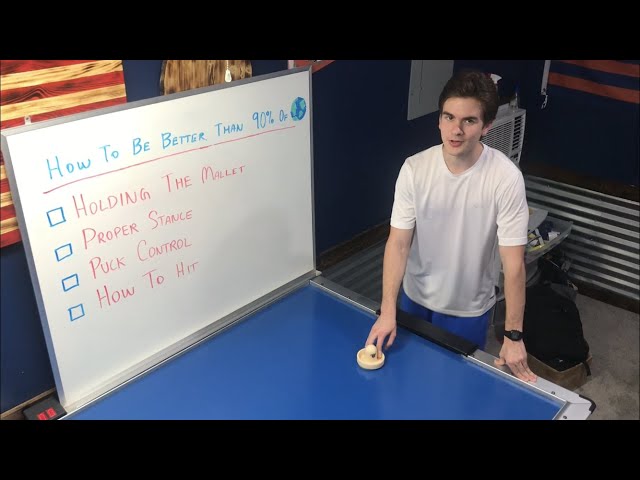
Credit: www.youtube.com
Common Mistakes To Avoid
Playing air hockey can be exciting and fast-paced. Many players make simple mistakes that cost them points. Avoiding these errors helps improve your play and enjoyment. Focus on steady control and good habits. Here are some common mistakes to watch out for during your matches.
Overcommitting On Shots
Rushing a shot often leads to losing control. Swinging too hard can make you miss the puck. It also leaves your goal open for a counterattack. Keep your movements smooth and balanced. Aim for accuracy instead of power.
Poor Mallet Grip
Holding the mallet incorrectly reduces your precision. A tight grip causes tension and slows your reaction time. A loose grip lowers your control over the puck. Hold the mallet firmly but relaxed. This helps you move quickly and shoot accurately.
Ignoring Defensive Basics
Many players focus only on offense and forget defense. Leaving your goal unprotected invites easy goals. Always keep your mallet near the center to block shots. Watch your opponent’s movements to anticipate their attacks. Defense wins many games.
Mindset And Focus
Success in air hockey depends heavily on your mindset and focus. Keeping a clear mind helps you react faster and play smarter. Concentration sharpens your moves and blocks mistakes. A calm and focused player enjoys better control over the puck. Cultivating the right mental habits can improve your gameplay significantly.
Staying Calm Under Pressure
Pressure builds during close matches. Your heart races. Breath quickens. Staying calm helps you keep control. Take deep breaths before each play. Pause for a moment if needed. Calm players think clearly and avoid rash moves. Keep your cool to outsmart your opponent.
Reading Opponent Patterns
Watch how your opponent moves. Notice their favorite shots and tricks. Predict their next move based on past plays. This lets you block better and counterattack. Learning their style gives you a strategic edge. Stay alert to changing patterns throughout the match.
Maintaining Concentration
Focus only on the puck and your opponent. Avoid distractions around you. Keep your eyes on the table at all times. Short breaks between rounds help refresh your mind. Practice mindfulness to improve concentration. Strong focus boosts your reaction time and accuracy.
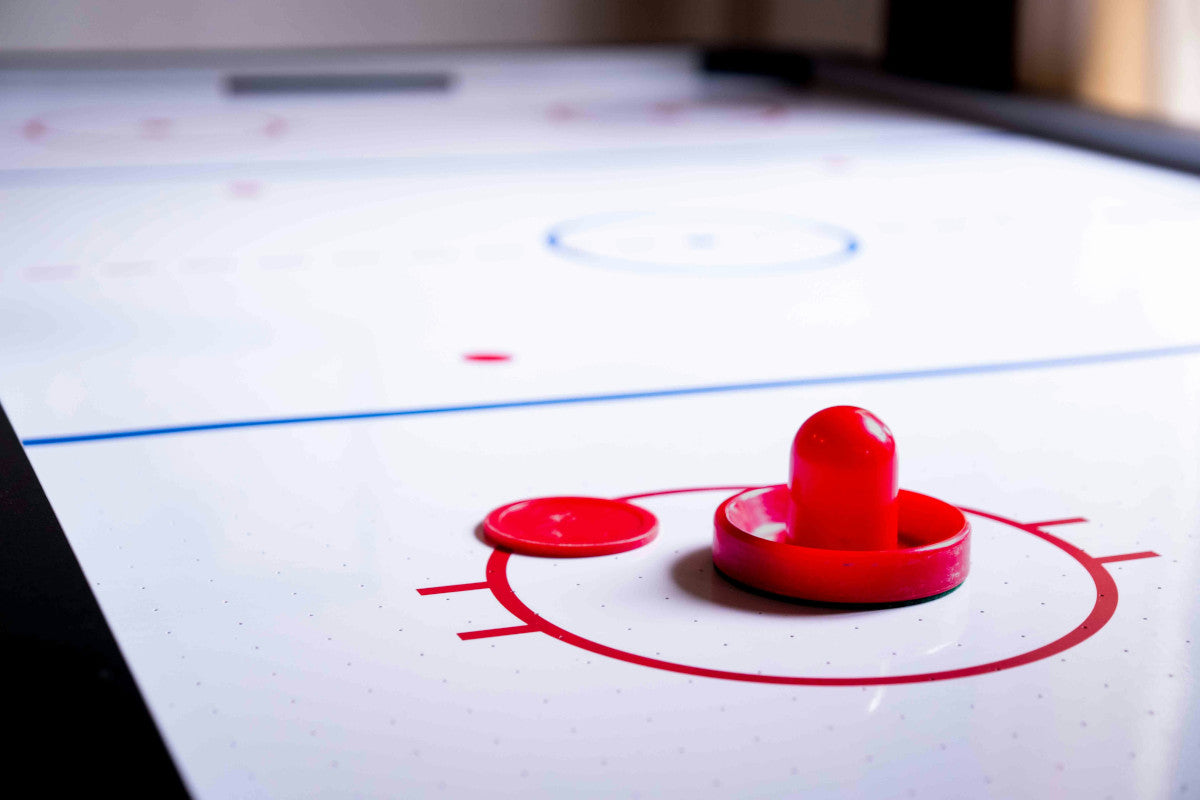
Credit: pooltableportfolio.com
Credit: www.bubbleairhockey.com
Frequently Asked Questions
Where Do You Put Your Weakest Player In Field Hockey?
Place your weakest player on the left side in attack, where fewer plays occur. This limits pressure and scoring chances against them.
What Are The 5 Basic Rules Of Hockey?
The 5 basic hockey rules are: Offside restricts early offensive entry. Icing stops play after long puck shots. Face-offs restart the game. Penalties punish fouls with player removal. Goals count only if the puck fully crosses the goal line legally.
What Are The 4 Pillars Of Hockey?
The four pillars of hockey are skating, stickhandling, passing, and shooting. These skills build a strong hockey foundation.
How To Properly Hold Air Hockey?
Hold the air hockey paddle firmly with your dominant hand. Keep your wrist relaxed and fingers wrapped around the handle. Position the paddle flat and hover it slightly above the table. Maintain control for quick, precise strikes and smooth defense.
Conclusion
Playing air hockey gets better with practice and smart moves. Focus on quick reflexes and steady defense. Watch your opponent’s patterns to anticipate shots. Keep your strikes controlled and aim for open spots. Stay calm and enjoy every match you play.
Use these tips to have more fun and improve each game. Keep practicing, and your skills will grow over time.