Skip to content
If you want to take your air hockey game to the next level, you’re in the right place. Whether you’re just starting out or looking to sharpen your skills, these air hockey tips and tricks will help you win more matches and impress your friends.
You’ll discover simple strategies that make a big difference, from improving your aim to mastering quick defense moves. Ready to become a tougher opponent and enjoy every game even more? Keep reading, because the secrets to dominating the air hockey table are about to be revealed.
Basic Air Hockey Setup
Setting up an air hockey game starts with understanding the basics. Knowing your table and equipment helps you play better. A proper setup gives you a good edge during matches.
Start by checking your table and the types of puck and mallet you use. These parts affect your control and speed. Let’s explore the key features and gear for a solid setup.
Table Features
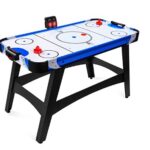
Air hockey tables come with smooth surfaces and tiny holes. These holes blow air to reduce friction and let the puck glide fast. The smoother the surface, the better the puck moves.
Most tables have built-in scoreboards to keep track of points easily. The size of the table matters too. Larger tables offer more space but need stronger skills to cover the area.
Make sure your table is level. Uneven surfaces can cause the puck to drift unpredictably. Also, check the air blower. A strong, steady airflow keeps the puck floating well.
Puck And Mallet Types
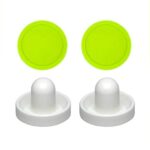
Pucks differ in weight and material. Lighter pucks move faster but can be harder to control. Heavier pucks are slower but offer better control for precise shots.
Mallets, or strikers, come in various shapes and sizes. A larger mallet gives more power but less speed. Smaller mallets allow quicker moves but need more skill to hit accurately.
Choose a mallet that feels comfortable in your hand. The grip and weight affect your response time. Experimenting with different types helps find the best fit for your play style.
Essential Techniques
Essential techniques form the foundation of air hockey skills. They help improve accuracy and speed. Mastering these basics builds confidence and control during play.
Focus on grip, stance, puck control, and basic shots. These elements increase your chances of winning and make the game more fun.
Grip And Stance
Hold the striker firmly but not too tight. A relaxed grip allows quick movements and better control. Use your fingers for precision rather than the whole hand.
Stand with feet shoulder-width apart. Keep knees slightly bent for balance and quick reactions. Lean forward slightly to stay ready and focused.
Puck Control
Keep the puck close to your striker at all times. Use gentle taps to move it instead of hard hits. This keeps the puck steady and easier to direct.
Practice stopping the puck quickly to block shots. Learn to push and pull the puck smoothly. This skill helps in both defense and offense.
Basic Shots
Start with straight shots aimed at the goal center. Use a quick wrist flick to increase puck speed. Vary shot height by adjusting striker angle.
Try bank shots by bouncing the puck off side walls. This surprises your opponent and opens scoring chances. Practice different angles for better accuracy.
Offensive Strategies
Offensive strategies in air hockey help you score more goals and keep pressure on your opponent. Using smart moves and quick shots can make it hard for the other player to defend. Focus on speed, angles, and patterns to confuse your opponent. These tactics increase your chances of winning and make the game more fun.
Fast Strikes
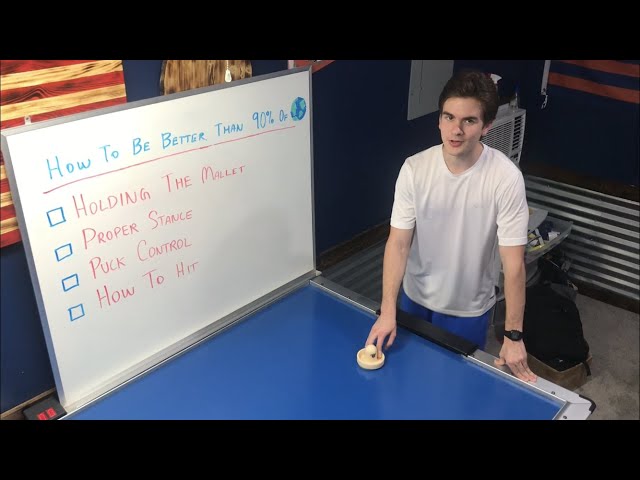
Fast strikes surprise your opponent and reduce their reaction time. Hit the puck quickly and without warning. Aim for open spaces near the goal to increase scoring chances. Practice quick wrist movements to improve shot speed. Fast strikes can break through even strong defenses.
Angle Shots
Angle shots send the puck off the sides of the table. Use the table’s edges to change the puck’s direction. This can trick your opponent and create openings. Try hitting the puck at different angles to find the best path to goal. Angle shots need practice but are very effective once mastered.
Triangle Attack Pattern
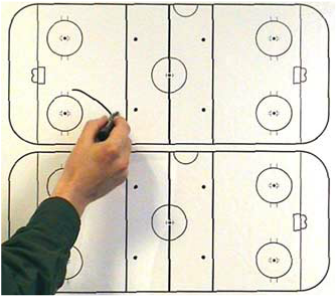
The triangle attack pattern uses three quick passes or shots in a triangular path. Move the puck between three points to confuse your opponent. This pattern creates gaps in their defense. Change the speed and direction of your shots to keep them guessing. The triangle attack is great for controlling the game flow.
Credit: www.youtube.com
Defensive Moves
Defending is a key part of air hockey. Strong defense stops your opponent from scoring. It also sets you up to make smart plays. Using simple but effective defensive moves can improve your game quickly. Focus on blocking, reading shots, and using counterattacks to keep control.
Block And Guard
Keep your paddle between the puck and your goal. Move it quickly to block shots. Stay low and ready to cover different angles. Use short, sharp movements to stop fast shots. Guard the center of your goal to reduce open spaces. Practice staying calm and steady while blocking.
Anticipating Shots
Watch your opponent’s paddle closely. Notice their wrist and arm movements for clues. Predict where the puck will go before it moves. This gives you extra time to react. Learn common shot patterns and their speeds. Anticipation helps you move your paddle early and defend better.
Counterattacks
After blocking a shot, look for a quick chance to attack. Use the puck’s rebound to surprise your opponent. Aim for open areas on their side. Fast counterattacks can catch them off guard. Practice switching from defense to offense smoothly. This skill increases your chances to score points.
Advanced Tricks
Advanced tricks in air hockey elevate your play beyond basic strikes and blocks. These moves require practice and precision but offer great rewards. They confuse opponents and create scoring chances. Practice these techniques to add depth to your game.
Bank Shots
Bank shots use the table’s edges to redirect the puck. Aim the puck at the side wall to bounce it toward the goal. This trick surprises your opponent by changing the puck’s path. It works best when your opponent blocks direct shots. Keep your angle sharp and control your power for accuracy. Mastering bank shots helps you score from difficult positions.
Spin Shots
Spin shots add rotation to the puck, causing it to move unpredictably. Strike the puck off-center to create a spin. The puck may curve or slow down, confusing your opponent. Use this trick to break through tight defenses. Spin shots require careful timing and wrist movement. Practice spinning the puck to increase shot variety and effectiveness.
Fake Outs
Fake outs trick your opponent into moving the wrong way. Start a shot motion but stop or change direction quickly. This makes your opponent react early and leave gaps. Use fake outs to create open spaces for easy goals. Combine them with fast reflexes for best results. Fake outs demand sharp observation and quick decision-making during play.
Credit: pooltableportfolio.com
Mental Game
The mental aspect of air hockey is as important as physical skill. Staying calm and sharp helps you react faster. Your mind controls every move and strategy. Practice thinking ahead and staying aware of your opponent’s behavior. A strong mental game can give you an edge during tight matches.
Reading Opponents
Watch your opponent’s body language and paddle movements. Notice their favorite shots and timing. Predict their next move by spotting patterns. Use this knowledge to block their attacks and plan your counters. Understanding your opponent’s style can help you stay one step ahead.
Staying Focused
Keep your eyes on the puck at all times. Avoid distractions around you and stay in the moment. Take deep breaths to keep calm and clear your mind. Focus sharpens your reaction time and decision-making. Train your mind to ignore crowd noise and stay locked on the game.
Managing Pressure
Pressure can make you rush or freeze. Control your breathing to stay relaxed. Break the game into small parts and focus on one point at a time. Remind yourself that mistakes are normal and keep playing. Confidence grows when you handle pressure well during matches.
Practice Drills
Practice drills build your skills and improve your air hockey play. Regular practice helps you react faster and control the puck better. Use different drills to work on offense, defense, and accuracy. Consistency in practice leads to noticeable progress over time.
Solo Drills
Solo drills let you train alone without a partner. Practice shooting at different angles to improve aim. Try hitting specific spots on the opponent’s goal. Work on quick wrist flicks to increase shot speed. Use solo drills daily to build confidence and control.
Partner Drills
Partner drills involve playing with another person to simulate real matches. Practice passing the puck back and forth to improve accuracy. Work on defense by blocking your partner’s shots. Try fast rallies to boost reaction time. These drills help you learn timing and strategy.
Timed Challenges
Timed challenges add pressure and test your speed and precision. Set a timer and try to score as many goals as possible. Practice defending against rapid shots within a set time. Use a stopwatch to track your best times. Timed drills make practice more exciting and effective.
Common Mistakes To Avoid
Playing air hockey well means avoiding common mistakes that many beginners make. These errors can cost points and reduce your chances of winning. Knowing what to avoid helps you stay focused and improve faster. Here are some key mistakes to watch out for during your next match.
Overcommitting
Overcommitting means moving too far forward to hit the puck. This leaves your goal open and easy to score on. Stay balanced and keep your mallet near your side of the table. Move only as much as needed to block or strike. This helps you react quickly to your opponent’s shots.
Poor Positioning
Poor positioning makes it hard to defend and attack effectively. Keep your mallet centered and slightly in front of your goal. Avoid staying too close to the edges or too far back. Good positioning lets you cover more space and reach the puck faster. Practice moving smoothly and staying ready.
Ignoring Defense
Many players focus only on offense and forget defense. Always watch the puck and block your goal. Use quick, small movements to stop shots. A strong defense forces your opponent to make mistakes. Balance your attack with solid defense for better results.
Equipment Tips
Good equipment makes air hockey more fun and helps improve your play. Choosing the right gear and keeping it in top shape matters. Small changes in your mallet, table, or puck can affect your speed and control. This section shares simple tips to pick and care for your air hockey tools.
Choosing The Right Mallet
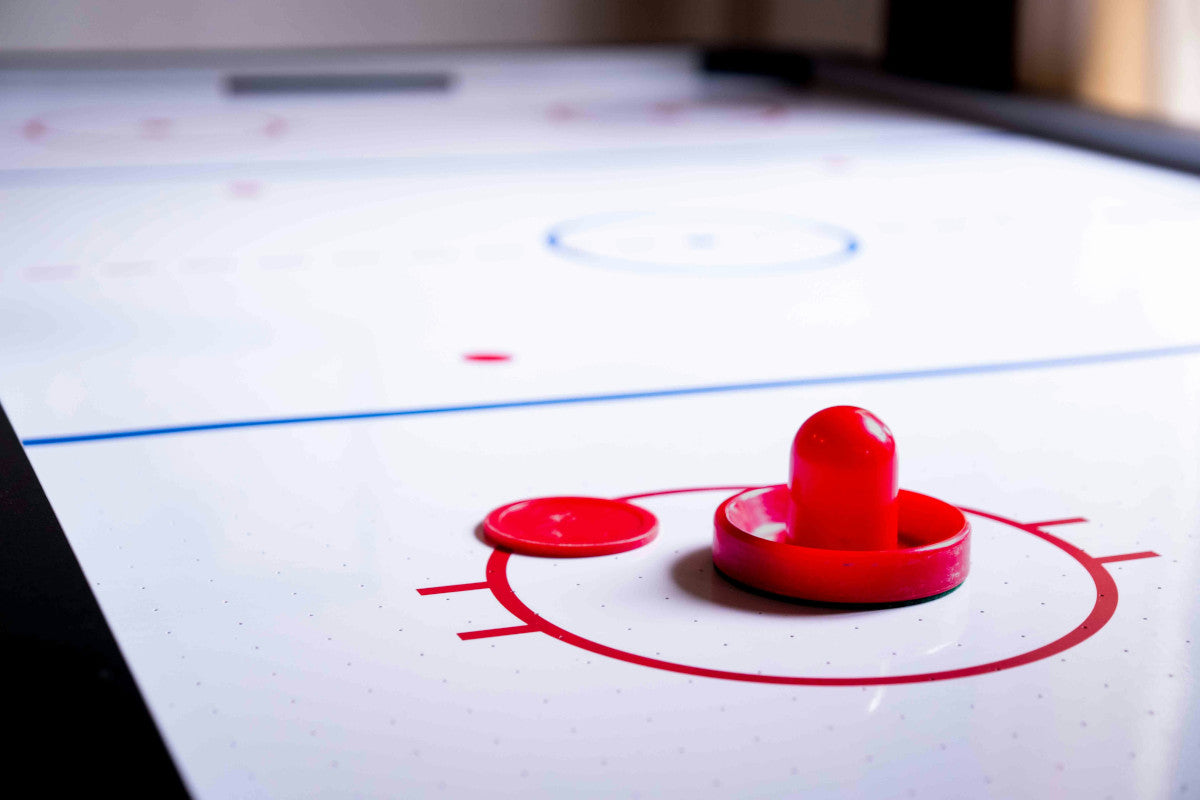
Pick a mallet that feels comfortable in your hand. Look for one with a good grip and size that fits your palm. A heavier mallet gives more power but less speed. A lighter mallet lets you move faster but may hit softer. Try different mallets to find your best fit.
Maintaining The Table
Keep the table clean to make the puck glide smoothly. Wipe the surface regularly with a soft cloth. Check the air holes for dust or dirt and clear them gently. Avoid liquids that can damage the table. A clean table helps keep the puck fast and steady.
Puck Selection
Choose a puck that matches your play style. Lightweight pucks move quickly but can be harder to control. Heavier pucks offer better control but slower speed. Some pucks have special designs to reduce friction. Test different pucks to see which one suits you best.
Credit: www.bubbleairhockey.com
Frequently Asked Questions
Where Do You Put Your Weakest Player In Field Hockey?
Place your weakest player in defensive midfield or full-back to limit pressure. Pair them with a strong player for support. Avoid key attacking roles, and use them to press or chase loose balls instead. This strategy minimizes mistakes and helps maintain team stability.
What Is The Triangle Strategy In Air Hockey?
The triangle strategy in air hockey uses three puck angles to confuse opponents. It creates unpredictable shots and opens scoring chances. Players move the puck in a triangular pattern to control the game and force defensive errors. This tactic improves offensive pressure and winning opportunities.
What Are The 5 Basic Rules Of Hockey?
The 5 basic hockey rules are: 1) Use a stick to hit the puck. 2) No high sticking allowed. 3) Offside is prohibited. 4) Body checking follows specific guidelines. 5) Players must follow face-off procedures.
What Is The Hardest Skill In Field Hockey?
The hardest skill in field hockey is mastering advanced dribbling. It requires speed, control, and quick decision-making under pressure.
Conclusion
Practicing these air hockey tips improves your skills and confidence. Focus on quick reflexes and smart defense. Keep your movements smooth and controlled. Watch your opponent’s patterns closely to anticipate shots. Consistent practice helps you play better each time. Enjoy the game and have fun competing.
Small changes make a big difference in your play. Stay patient and keep trying new strategies. Winning comes with time and effort. Keep these tricks in mind for your next match.