Skip to content
Have you ever wondered what makes air hockey so fast and fun? You might think it’s just about hitting a puck on a table, but there’s actually some clever science behind every glide and strike.
When you play air hockey, the puck doesn’t just slide on the surface—it floats on a thin cushion of air, letting it zip across the table with almost no friction. This means your quick reflexes and sharp aim really matter, making the game exciting and intense.
You’ll discover exactly how air hockey works, from the air-powered table to the rules that keep the game fair and thrilling. Ready to learn what keeps the puck flying and how you can up your game? Keep reading!
Air Hockey Table Design
The design of an air hockey table plays a crucial role in the game’s smooth and fast-paced action. Each element of the table works together to reduce friction and keep the puck gliding effortlessly. Understanding the table’s design helps explain how air hockey achieves its unique gameplay.
Table Surface Material
The table surface is usually made from a smooth laminate or plastic. This material allows the puck to slide easily across the playfield. A flat and even surface is essential to prevent the puck from sticking or slowing down. The durability of the material also ensures long-lasting gameplay without damage.
Perforated Playfield
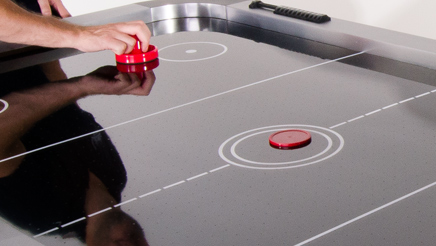
The playfield has thousands of tiny holes spread evenly across its surface. These small holes allow air to flow upward, creating a thin cushion. This cushion lifts the puck just slightly above the table, reducing friction between the puck and the table surface. The result is faster puck movement and more exciting gameplay.
Air Pump Mechanism
An electric air pump is built into the table, usually below the playfield. It pushes air through the perforated holes, maintaining a steady flow. The constant air pressure creates the cushion that supports the puck. Without the air pump, the puck would not glide and the game would lose its speed and fun.
Credit: www.libertygames.co.uk
Air Cushion And Puck Movement
Gameplay mechanics define how players interact with air hockey. They set the pace and rules that guide every match. Understanding these basics helps players enjoy the game and improve their skills.
The mechanics include how the game starts, how players move the mallet and puck, how scoring works, and any limits on time or shots.
Starting The Game And Serving
Each game begins with a face-off at the center of the table. The puck is placed on the center spot. One player serves by striking the puck toward the opponent’s side. The serve must be a clean hit, not a push. Players take turns serving after each goal scored.
Movement Rules
Players use a mallet to hit the puck. The mallet can only move in front of the player’s goal. Crossing the center line with the mallet is not allowed. Players can hit the puck with any part of the mallet’s face. Quick reflexes and smooth movements are key to defense and attack.
Scoring System
A point is scored when the puck fully crosses the opponent’s goal line. Each goal adds one point to the scorer’s total. The game usually goes to a set number of points, often seven or ten. The first player to reach the set points wins the match.
Time Limits And Shot Restrictions
Players have a limited time to shoot, usually seven seconds. This rule keeps the game fast and exciting. If a player holds the puck too long, they lose possession. No shots are allowed that hit the puck directly into the net without crossing the center line first. These limits make the game fair and balanced.
Mallets And Player Interaction
Strategies and tactics shape the way players compete in air hockey. Success depends on more than quick reflexes. Smart play and thoughtful moves increase the chance to score and defend. Each player must balance offense and defense. Understanding key techniques helps control the puck and outplay the opponent.
Offensive Play
Offensive play focuses on attacking and scoring goals. Quick, sharp shots catch the opponent off guard. Varying shot speed and direction keeps the other player guessing. Using wrist flicks adds speed and spin to the puck. Fake shots confuse defenders and create openings. Constant pressure forces mistakes and opens scoring chances.
Defensive Techniques
Defensive techniques protect the goal from incoming shots. Keeping the mallet near the goal center blocks most attacks. Watching the puck closely helps predict the opponent’s next move. Using smooth, controlled movements prevents leaving gaps. Clearing the puck quickly after a save reduces pressure. Staying calm and focused stops panic errors.
Positioning And Angles
Positioning is key for both offense and defense. Standing slightly off center allows better reach across the goal. Angling the mallet guides the puck to desired spots. Using bank shots off the table edges creates tricky angles. Moving in sync with the puck maintains control. Good positioning cuts down opponent’s scoring opportunities.
Gameplay Mechanics
The evolution and popularity of air hockey reveal its rise from a simple pastime to a beloved competitive sport. Its unique blend of speed, skill, and excitement has attracted players worldwide. The game’s development mirrors advances in technology and growing interest in fast-paced arcade games. This section explores the history, tournament play, and modern innovations that shape air hockey today.
History Of Air Hockey
Air hockey was invented in the early 1970s by two Brunswick engineers. They aimed to create a game that mimicked the fast action of ice hockey. The first tables used a simple air blower system to lift the puck. Over time, the design improved with better materials and air distribution. By the 1980s, air hockey became a popular arcade game across the United States. Its appeal grew due to its easy-to-learn rules and thrilling gameplay.
Tournament Play
Organized air hockey tournaments began to appear in the 1980s. Players from different regions competed in local and national events. The American Air Hockey Association helped standardize rules and promote fair play. Today, tournaments attract skilled players who practice advanced techniques. Matches are often fast, intense, and draw enthusiastic crowds. Tournament play has helped air hockey gain respect as a serious competitive sport.
Modern Innovations
Modern air hockey tables feature improved air flow systems for smoother puck movement. Electronic scoreboards and sound effects enhance the playing experience. Some tables include LED lighting to attract players in arcades. Digital sensors track puck speed and scoring accuracy. Portable and home-use tables have made the game more accessible. New materials also increase durability and reduce maintenance. These innovations keep the game fresh and exciting for all ages.

Credit: blattbilliards.com
Frequently Asked Questions
What Makes Air Hockey Work?
Air hockey works by blowing air through tiny holes on the table, creating a cushion that lets the puck glide smoothly. This reduces friction, enabling fast gameplay as players strike the puck with mallets to score goals.
What Are The Basic Rules Of Air Hockey?
Air hockey rules include face-off to start, using one mallet per player, seven seconds per shot, and no crossing the centerline. Score by hitting the puck into the opponent’s goal. Defend by blocking shots near your goal without leaving gaps.
Does Air Hockey Require Electricity?
Air hockey tables need electricity to power fans that blow air through tiny holes. This air cushion lets the puck glide smoothly. Without electricity, the puck won’t float, making play difficult or impossible. Some manual tables don’t require power but lack the fast, frictionless gameplay of electric ones.
How Does Air Hockey Scoring Work?
Air hockey scoring works by sliding the puck into the opponent’s goal. Each goal counts as one point. Players serve after a goal, and the first to reach the set score wins.
Conclusion
Air hockey uses air to make the puck float smoothly. The table’s tiny holes push air up, reducing friction. This lets players move the puck quickly and easily. Each player tries to score by hitting the puck into the opponent’s goal.
Defense is key, using the mallet to block shots. The fast pace and simple rules make air hockey fun for all ages. Understanding how the air cushion works helps appreciate this classic game more. It’s a great mix of skill, speed, and strategy.