Skip to content
Have you ever wondered what makes an air hockey table so fast and fun to play? If you’ve ever felt that smooth glide of the puck and the thrill of a quick shot, you’re already experiencing some clever science in action.
But how exactly does an air hockey table work to keep the puck floating and moving so effortlessly? Understanding this will not only make your game more exciting but also give you the edge to improve your skills. Keep reading, and you’ll discover the secrets behind the magic that keeps the puck flying across the table.
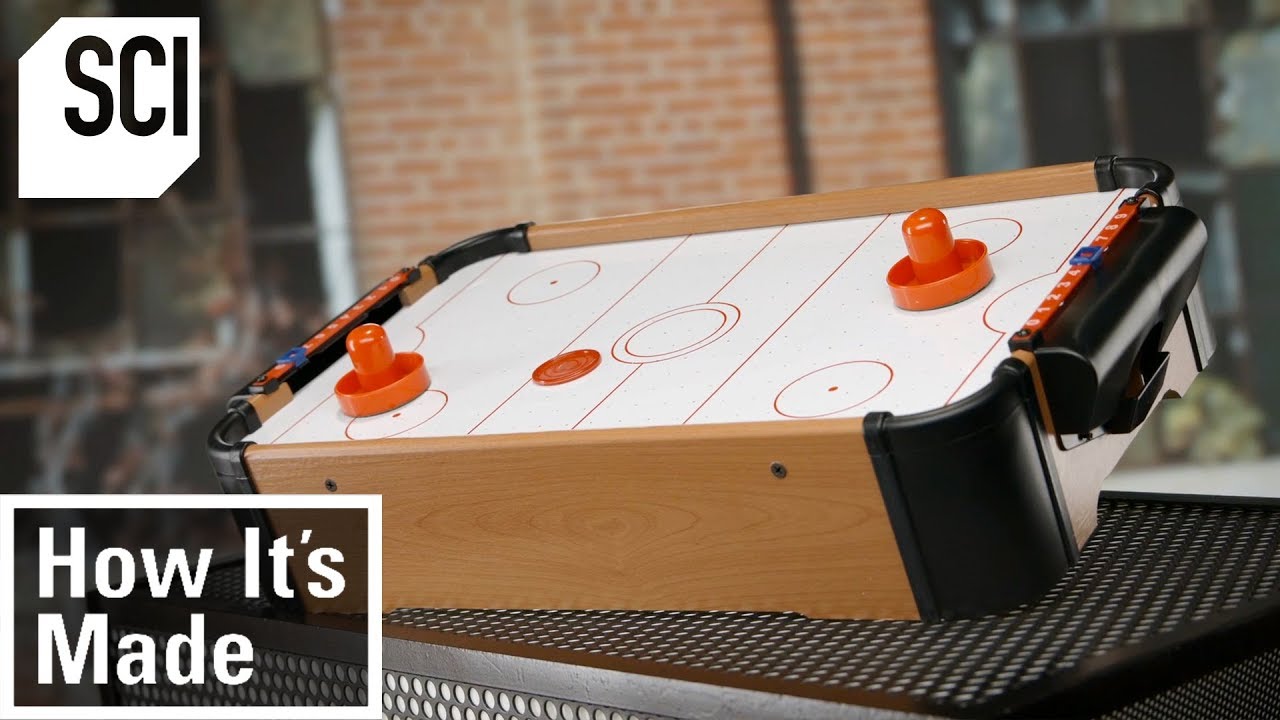
Basic Components
Understanding how an air hockey table works starts with knowing its basic parts. These parts work together to create the fast, smooth action players enjoy. Each component has a simple role but is very important for the game.
Table Surface
The table surface is flat and smooth. It has many tiny holes spread evenly across it. These holes let air flow upward. The surface must be very slick to help the puck glide easily.
Air Blower System
The air blower system pushes air through the holes in the table. This air creates a thin cushion of air on top of the surface. The cushion reduces friction, letting the puck float and move quickly.
Pucks And Strikers
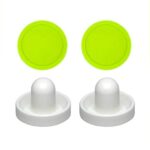
The puck is a small, round disk that slides on the air cushion. Strikers are paddles players use to hit the puck. Both are lightweight and smooth to keep the game fast and fun.

Credit: www.instructables.com
Air Cushion Mechanics
The air cushion is the key to how an air hockey table works. It creates a smooth surface that lets the puck glide easily. This system uses air pressure to lift the puck slightly above the table. The result is a fast, friction-free game experience.
Creating A Low-friction Surface
The air hockey table surface has many tiny holes. Air blows out from these holes. This air creates a thin cushion between the puck and the table. Because of this cushion, the puck floats just above the surface. It stops the puck from touching the table directly. This reduces friction and lets the puck move freely and quickly.
Role Of Air Holes
Air holes are spread evenly across the table surface. They allow air to flow out at a steady rate. The air pressure pushes up against the puck from below. This keeps the puck floating. The number and size of the holes control how much air flows out. Proper air flow is important for smooth puck movement and good gameplay.
Impact On Puck Movement
The air cushion lets the puck glide with very little resistance. The puck moves fast and changes direction easily. Players can hit the puck harder without losing control. The smooth surface helps the puck slide longer distances. This makes the game faster and more exciting to play.
Physics In Play
Air hockey is more than just a fun game. It shows many physics ideas at work. The way the puck moves and the players control it depends on simple physics rules. This section explains the key physics concepts behind air hockey.
Friction And Glide
The air hockey table has tiny holes that blow air upward. This air creates a thin cushion between the puck and the table. The cushion lowers friction, letting the puck glide smoothly. Less friction means the puck moves faster and farther. The air keeps the puck floating slightly, stopping it from slowing down quickly.
Momentum And Collisions
When the puck hits the paddle or table edge, momentum changes. Momentum is how much motion the puck has. The puck keeps moving after hitting something because of momentum. The harder the hit, the faster the puck goes. Collisions follow the law of motion, where energy transfers between objects. This makes the puck bounce and change direction.
Spin And Control
Players can add spin to the puck by hitting it at an angle. Spin changes the puck’s path and speed. It helps players control where the puck goes. The spinning puck can curve or slow down faster. Spin is a useful skill to block shots or score goals.
Credit: www.youtube.com
Design Variations
The design of air hockey tables varies in several ways. These differences affect how the game feels and plays. Each variation offers unique features for players of all levels. Understanding these design changes helps choose the right table for your space and skill.
Table Sizes And Shapes
Air hockey tables come in different sizes. Smaller tables suit kids and tight spaces. Larger tables provide more room for fast play. Most tables are rectangular. Some have rounded corners for safety and style. The size and shape influence how fast the puck moves.
Power And Airflow Differences
Air hockey tables use fans to blow air through tiny holes. The strength of the fan varies between models. Stronger fans create a smoother, faster puck glide. Weaker fans may slow the puck down. Some tables let you adjust airflow. This can change game speed and difficulty.
Material Choices
Table surfaces are made from different materials. Common options include plastic, wood, and composite materials. Plastic is light and easy to clean. Wood offers durability and a classic look. Composite materials balance weight and strength. The material affects puck speed and table longevity.
Maintenance And Performance
Maintaining an air hockey table is key to keep the game smooth and fun. Regular care helps the table last longer and perform well. Small steps can stop big problems and improve your playing experience.
Cleaning Air Holes
Air holes let air flow under the puck. Dust and dirt can block these holes. Use a soft brush or compressed air to clean them. Do this often to keep the air moving freely. Clean holes mean the puck glides better on the surface.
Motor And Blower Care
The motor powers the blower that pushes air through the holes. Check the motor regularly for dust and dirt. Turn off the table and wipe the motor with a dry cloth. Avoid water or cleaning sprays near the motor. Keep the blower running smoothly for steady air pressure.
Surface Upkeep Tips
Clean the playing surface with a soft cloth and mild cleaner. Avoid harsh chemicals that can damage the finish. Check for scratches or dents and fix them quickly. A smooth surface helps the puck slide easily and keeps the game fair. Cover the table when not in use to protect it from dust.
Enhancing Gameplay
Enhancing gameplay on an air hockey table makes every match more fun and fair. Small changes can improve how the puck moves and how players perform. Knowing how to adjust the table and equipment helps create a better playing experience.
Focus on key factors like air pressure, puck type, and player skills. These elements work together to keep the game smooth and exciting. Simple steps can boost control and speed during play.
Optimizing Air Pressure
Air pressure pushes air through tiny holes on the table surface. This air cushion lifts the puck slightly above the table. Proper air pressure lets the puck glide easily with little friction.
Check the fan or blower regularly. Make sure it runs at the right speed to keep steady air flow. Too little air slows the puck. Too much air can make the puck jump.
Adjust the fan settings or clean the holes to maintain smooth puck movement. Consistent air pressure leads to fair play and better control.
Choosing The Right Puck
Pucks come in different weights and materials. The right puck matches the table and player style. Lighter pucks move faster but are harder to control.
Heavier pucks slow down but offer more accuracy. Plastic pucks glide better on smooth surfaces. Some pucks have special designs to reduce friction.
Try different pucks to find one that feels best. A good puck improves game speed and player precision.
Skill Development
Practice sharpens hand-eye coordination and reaction time. Players learn to control speed and direction of the puck.
Start with basic shots and defense moves. Gradually add quick passes and angled hits. Watching others play helps understand tactics and timing.
Regular play builds confidence and improves accuracy. Skillful players enjoy longer rallies and closer matches.
Credit: www.libertygames.co.uk
Frequently Asked Questions
How Does An Air Hockey Table Create The Air Cushion?
An air hockey table uses tiny holes on its surface. A fan blows air through these holes, creating a thin air cushion. This cushion reduces friction between the puck and table, allowing smooth and fast puck movement during play.
What Powers The Air Flow In An Air Hockey Table?
A built-in electric fan powers the air flow in an air hockey table. The fan forces air through the perforated playing surface. This continuous airflow maintains the air cushion, enabling the puck to glide effortlessly across the table.
Why Does The Puck Glide Smoothly On The Table?
The puck glides smoothly due to the air cushion beneath it. This cushion lifts the puck slightly, reducing contact with the table surface. Less friction means faster, more fluid puck movement, essential for exciting air hockey gameplay.
How Does The Air Hockey Table Maintain Puck Speed?
By constantly blowing air through the table surface, friction is minimized. This steady airflow keeps the puck afloat and moving quickly. The smooth surface combined with air pressure allows the puck to maintain speed during the game.
Conclusion
An air hockey table works by pushing air through tiny holes. This creates a cushion that makes the puck float. The puck moves smoothly and fast on this air layer. Players use paddles to hit the puck and score goals.
The simple design makes the game fun and exciting. Understanding how it works adds to the enjoyment. Now you know why the puck glides so easily. Ready to play?