Skip to content
Is air hockey just a fun game to play at your local arcade, or is it a real sport? You might have wondered this yourself while sliding that puck back and forth.
But what if I told you air hockey demands sharp reflexes, strategy, and serious skill—just like any other competitive sport? Whether you’re a casual player or someone curious about the competitive scene, understanding what makes air hockey a sport can change the way you see this fast-paced tabletop game.
Keep reading, and you’ll discover why air hockey deserves more credit than you might think—and why it might just be the next sport you want to try.
You May Like
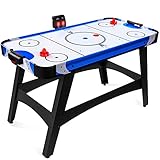
- STRONG MOTOR: Air is evenly spread with the 12V DC motor and adapter,…
- STURDY CONSTRUCTION: Made of high-quality composite wood and PVC, this…
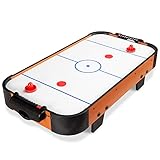
- ARCADE-STYLE GAME: Enjoy intense striking and endless fun with a mini…
- COMPACT & PORTABLE: Crafted with a lightweight design, this compact game…
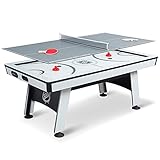
- DYNAMIC GAME EXPERIENCE: The EastPoint Air Hockey Table combines a…
- AUTHENTIC ARCADE GAMEPLAY: LED electronic scoring and stadium sounds bring…
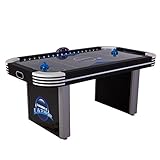
- GLOW-IN-THE-DARK AIR HOCKEY EXPERIENCE – Light up your game nights with…
- LUMEN-X TECHNOLOGY FOR IMMERSIVE PLAY – Built-in cascading LED lights and…

- 48 INCH AIR HOCKEY TABLE: Perfect for any game room and players of all ages…
- MODERN DESIGN: Ditch the low-grade toy tables; Features an updated style…

Credit: en.wikipedia.org
Air Hockey Basics
Understanding the basics of air hockey helps clarify its status as a sport. The game is simple yet requires skill and quick reflexes. It is played on a smooth table with air blowing through tiny holes. This air reduces friction, allowing the puck to glide fast. Two players compete to score goals by hitting the puck into the opponent’s net.
Game Setup
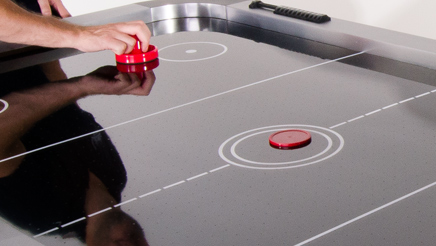
The air hockey table is rectangular and usually measures about 7 feet long. It has a smooth surface with many small holes that release air. Each player stands at one end of the table. The goals are located at the center of the shorter sides. The game starts with the puck placed in the middle of the table. Players use mallets to strike the puck toward the goal.
Equipment Used
The main equipment includes the air hockey table, a puck, and two mallets. The puck is light and flat, made from plastic. The mallets are handheld disks used to hit the puck. They are designed to fit comfortably in the player’s hand. The table’s air system keeps the puck moving smoothly. Proper equipment ensures fair play and fast action.
How To Play
Players take turns hitting the puck with their mallets. The goal is to score points by sending the puck into the opponent’s net. Players must defend their own goal while attacking the other side. The puck moves quickly, so players need fast reflexes. Matches usually last until a player reaches a set score or time limit. The player with the most points wins the game.
Credit: www.libertygames.co.uk
Competitive Air Hockey
Competitive air hockey goes beyond casual fun. It has grown into a serious sport with skilled players and organized events. Players train hard to improve speed, accuracy, and strategy. The community supports professional leagues and big tournaments worldwide.
Professional Leagues
Several professional air hockey leagues exist today. These leagues follow strict rules and schedules. They host regular matches between top players. The US Air Hockey Association (USAH) is one of the most known. It helps promote the sport and organize competitions. Players in these leagues often compete for prize money and titles.
Major Tournaments
Major air hockey tournaments attract players from many countries. Events like the World Air Hockey Championship gather the best talents. These tournaments test players’ skills under pressure. Winners gain recognition and sometimes sponsorships. These competitions boost the sport’s popularity and encourage new players to join.
Player Rankings
Player rankings are important in competitive air hockey. Rankings show who the top players are based on recent results. Organizations like USAH maintain official ranking lists. Rankings help decide matchups in tournaments. They also motivate players to improve and climb higher.
Skill And Strategy
Air hockey is more than just hitting a puck back and forth. It demands real skill and careful thinking. Players must act fast and plan moves ahead. Success depends on how well they combine quick reactions with smart tactics. This blend of skill and strategy makes air hockey a serious competitive sport.
Required Reflexes
Quick reflexes are crucial in air hockey. The puck moves rapidly across the table. Players must respond instantly to block or strike. Delays of even a second can cost points. Training improves hand-eye coordination and reaction speed. Fast reflexes keep the game exciting and competitive.
Tactical Play
Winning requires more than speed. Players use tactics to outsmart opponents. They vary shot angles and speeds to confuse rivals. Reading the opponent’s moves helps plan defense and attacks. Strategic play involves controlling the puck and table space. Good tactics turn skill into consistent wins.
Endurance And Focus
Matches can last several minutes of intense play. Players need physical endurance to keep up pace. Mental focus is key to avoid mistakes under pressure. Staying alert helps anticipate opponents’ actions. Endurance and focus together sustain performance throughout the game.

Credit: www.nytimes.com
Governing Bodies
Governing bodies play a key role in defining air hockey as a sport. They create official rules, organize tournaments, and support players. These organizations bring structure and credibility to the game. Without them, air hockey would remain just a casual pastime.
Us Air Hockey Association
The US Air Hockey Association (USAH) is the main organization in the United States. It manages competitive play and promotes the sport nationwide. USAH organizes national championships and ranks top players. Their work helps air hockey gain recognition as a serious sport.
Air Hockey Players Association
The Air Hockey Players Association (AHPA) focuses on player support and community building. It connects players of all skill levels and hosts events. AHPA encourages fair play and sportsmanship. This group helps maintain a strong, active player base.
Rule Standardization
Consistent rules are vital for any sport. Governing bodies ensure everyone follows the same standards. They define table dimensions, puck size, and game timing. This standardization allows fair competition worldwide. Players trust these rules to keep matches balanced and exciting.
History And Evolution
The history and evolution of air hockey reveal its journey from a simple arcade attraction to a recognized competitive sport. Understanding its background helps appreciate how it gained popularity and respect worldwide. This section explores the origins, competitive growth, and cultural impact of air hockey.
Origins Of Air Hockey
Air hockey was invented in the early 1970s by two Brunswick engineers, Bob Lemieux and Phil Crossman. They created a table that used air pressure to reduce friction, allowing the puck to glide smoothly. The game was inspired by ice hockey and table tennis, combining elements of both. It first appeared in arcades and quickly became a hit due to its fast pace and simple rules.
Growth Of Competitive Scene
Competitive air hockey started to take shape in the 1980s with the formation of leagues and organized tournaments. Players began developing advanced skills and strategies to win matches. The United States Air Hockey Association (USAA) was founded to oversee the sport and standardize rules. International competitions followed, increasing the sport’s visibility and legitimacy. Today, professional players compete in national and world championships.
Influence On Popular Culture
Air hockey has influenced popular culture through its presence in movies, TV shows, and video games. It often appears as a symbol of fun and competition in social settings. The sport’s fast action and clear objectives make it appealing to audiences of all ages. Air hockey tables are common in entertainment venues, helping the sport stay relevant and accessible worldwide.
Air Hockey’s Sport Status
Air hockey holds a unique position in the world of competitive activities. It blends fast action, skill, and strategy on a tabletop surface. Many wonder if it qualifies as a true sport or just a casual game. The debate revolves around its formal recognition, structure, and global reach.
Understanding air hockey’s sport status requires examining its comparison to traditional sports, recognition by official bodies, and potential for inclusion in global events like the Olympics.
Comparison To Other Sports
Air hockey shares traits with many established sports. It demands quick reflexes and sharp hand-eye coordination. Players use strategy to outsmart opponents and score goals. The physical effort is less intense than in outdoor sports but requires precision and endurance. Like table tennis or billiards, it is a fast-paced, skill-driven game. It has clear rules and competitive formats. These elements align air hockey with other recognized sports.
Recognition And Popularity
Several organizations govern air hockey, ensuring standardized rules and fair play. The US Air Hockey Association (USAH) and Air Hockey Players Association (AHPA) host tournaments and maintain player rankings. Professional players train and compete at national and international levels. This structured community shows air hockey’s serious nature. Popularity is strong in arcades, clubs, and online platforms. Though niche, the sport grows steadily and attracts new players worldwide.
Olympic Considerations
Air hockey is not part of the Olympic program. The International Olympic Committee (IOC) favors sports with broad global participation and physical exertion. Air hockey’s tabletop format limits its exposure and audience size. It lacks a unified international federation recognized by the IOC. Despite this, air hockey continues to develop competitive standards. Its fast pace and skill appeal might support future inclusion in multi-sport events. For now, it remains a respected competitive sport outside the Olympic spotlight.
Accessibility And Community
Air hockey welcomes players of all ages and skill levels. The game’s simple setup makes it easy to start playing anywhere. Tables can be found in homes, arcades, and clubs worldwide.
This accessibility helps build a diverse and inclusive community. Players connect through shared passion and friendly competition. The social aspect strengthens bonds and encourages regular play.
Global Player Base
Air hockey players come from many countries. The sport is popular in North America, Europe, and Asia. This wide reach creates varied playing styles and strategies. Competitions often feature international participants, adding excitement and challenge.
Local And Online Communities
Local clubs and leagues offer places to meet and compete. Players gather to practice and improve their skills. Online forums and social media groups connect fans worldwide. Virtual tournaments and live streams help grow the sport’s presence. Both local and online spaces foster support and learning.
Growth Trends
The number of air hockey players keeps rising. New clubs and tournaments appear regularly. Advances in streaming technology boost visibility and fan engagement. Youth programs introduce the sport to younger generations. This steady growth signals air hockey’s expanding role as a competitive sport.
Professional Player Insights
Professional air hockey players treat the sport with serious dedication. Their insights reveal the skill and effort behind top-level play. These players train hard and compete in organized events worldwide.
They balance physical reflexes with mental strategy. Understanding their routines and challenges helps us see air hockey as a true sport.
Training Regimens
Pro players practice daily to sharpen reflexes and control. Exercises often include hand-eye coordination drills and speed training. Many use video analysis to improve shot accuracy. Mental focus sessions help with quick decision-making. Consistency in practice builds endurance for long matches.
Earnings And Sponsorships
Top players earn money through tournament winnings and sponsorship deals. Sponsorships come from equipment brands and local businesses. Earnings vary widely, depending on skill and exposure. Prize money in major tournaments can be substantial. Many players also teach or stream to supplement income.
Famous Competitors
Several names stand out in the air hockey world. Players like Tim Weiss and Mike Massey are legends. They have won multiple national and world titles. These competitors inspire new players and raise the sport’s profile. Their matches attract fans and help grow competitive air hockey.
Frequently Asked Questions
Is Air Hockey A Sport Or A Game?
Air hockey is a competitive sport with professional leagues, tournaments, and skilled players. It requires strategy and fast reflexes.
Is Hockey A Sport, Yes Or No?
Yes, hockey is a sport played worldwide with professional leagues, requiring skill, strategy, and physical endurance.
How Much Does A Professional Air Hockey Player Make?
Professional air hockey players earn between $20,000 and $70,000 annually, depending on skill and tournament success. Top champions may earn more through sponsorships and endorsements.
Can You Block The Goal In Air Hockey?
Yes, you can block the goal in air hockey, but using your hand, body, or clothing to block the puck is a foul called goaltending. This foul grants your opponent a free shot at your unprotected goal.
Conclusion
Air hockey blends fun with skill and real competition. Players need quick reflexes and sharp thinking. Organized leagues and tournaments prove its serious nature. Many people worldwide enjoy playing it competitively. This tabletop sport challenges both mind and body. It offers excitement like many traditional sports do.
Whether casual or pro, air hockey demands focus. Its growing community shows its lasting appeal. This game deserves recognition as a true sport.