Skip to content
Have you ever watched a hockey game and wondered about those circles painted on the ice? You’re not alone.
Those seemingly simple circles play a big role in how the game flows and how teams battle for control. Understanding what these circles are for will change the way you watch hockey—and even how you appreciate every faceoff and shift in momentum.
Stick with me, and I’ll break down exactly why these circles exist, where they’re located, and how they influence the game. Ready to see hockey from a whole new angle? Let’s dive in.
Credit: profi-therm.ro
Faceoff Circles
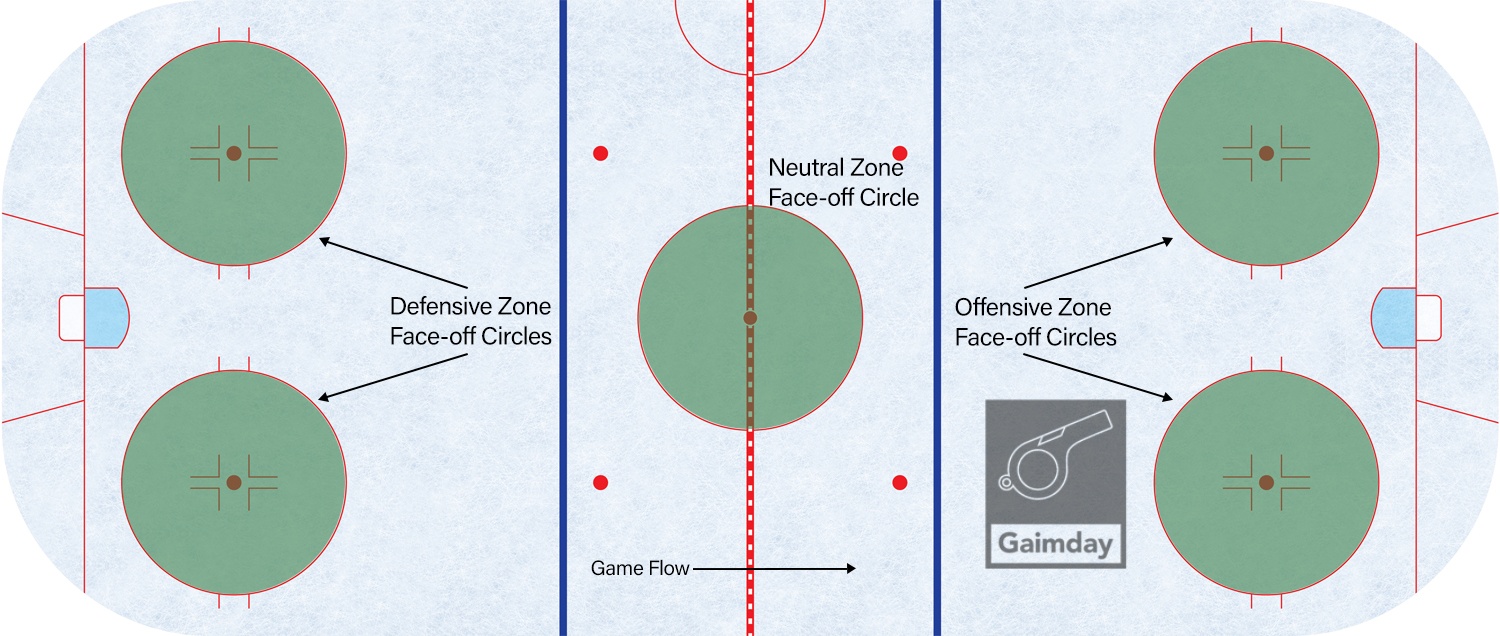
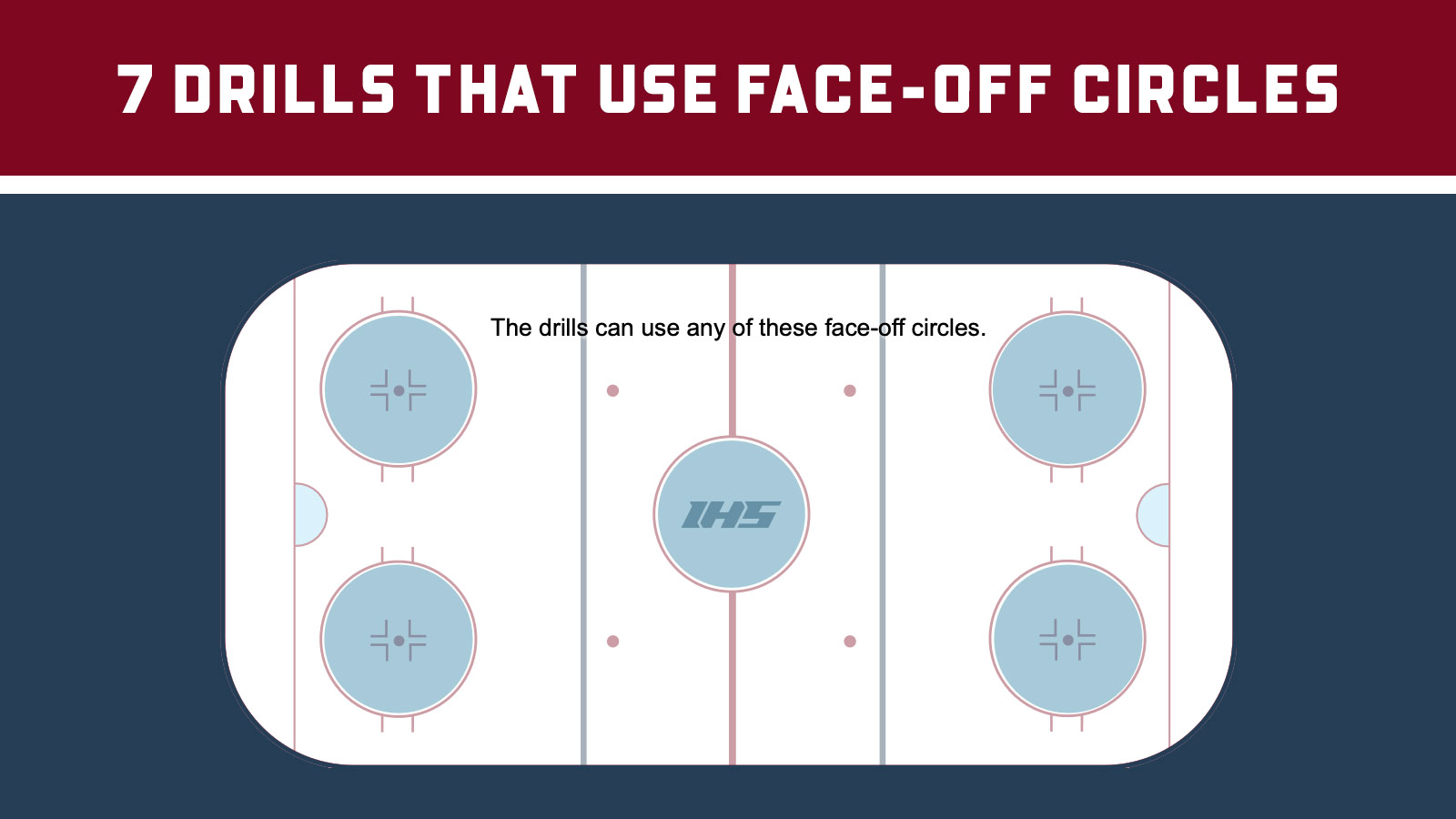
Faceoff circles in hockey mark where play restarts after a stoppage. They help organize players and keep the game fair. Each circle has a specific role depending on its location on the ice. Understanding these circles gives insight into how hockey flows during the game.
Center Ice Circle
The center ice circle is the biggest circle on the rink. It sits in the middle of the ice and starts the game and each period. It also restarts play after a goal is scored. Two players face each other here to compete for the puck. This circle sets the tone for the game’s pace and energy.
End Zone Circles
Each defensive zone has two faceoff circles near the goal. One is on the left side, the other on the right. These circles restart play after stoppages close to the net. Hash marks around the circle show where players must line up. These circles create fair chances for both offense and defense.
Neutral Zone Dots
Between the blue lines are four smaller red dots. These are faceoff spots in the neutral zone. Officials use them after offsides or when the puck goes out of play. Though smaller, these dots control restarts away from the goals. They keep the game moving smoothly and fairly across the rink.
Credit: www.icehockeysystems.com
Other Important Circles
Besides the well-known faceoff circles, hockey rinks have other important circles. These circles serve specific roles during the game. They help define areas for players and officials. Understanding these circles adds depth to the game’s flow and rules.
Goal Crease
The goal crease is a blue semi-circle in front of the net. It marks the space where the goalie has special protection. Opponents cannot interfere with the goalie inside this area. The crease helps referees decide on goalie-related plays. It also prevents players from blocking the goalie unfairly.
Referee’s Crease
The referee’s crease is a half-circle near the scorer’s bench at center ice. This area is reserved for officials during game stoppages. Referees gather here to discuss calls and review plays. Only team captains may approach the referee’s crease. This circle helps maintain order and clear communication on the ice.
Role In Restarting Play
The circles on a hockey rink play an important role in restarting play after a stoppage. These marked areas guide players on where to position themselves and help control possession as the game resumes. Faceoffs within these circles ensure a fair and organized way to continue the match.
Player Positioning
Each circle has specific spots marked for players during a faceoff. Only two players face each other at the center dot inside the circle. Teammates line up along the circle’s edge, following strict rules. This setup prevents crowding and keeps the faceoff fair. Proper positioning allows players to quickly react once the puck drops. It also reduces confusion and helps referees manage the restart smoothly.
Possession Control
The faceoff circles help decide which team gains control after a pause. The location of the faceoff depends on the reason for stopping the game. Players battle for the puck drop inside these circles. Winning the faceoff means gaining possession and the chance to attack. This control shapes the flow and strategy of the game. Circles create a clear and equal chance for both teams to resume play.
Impact On Game Strategy
The circles on a hockey rink play a vital role in shaping the game’s strategy. They mark specific spots where play restarts after stoppages. Coaches and players use these areas to plan their moves carefully. The position of a faceoff affects player placement and puck control. Teams often prepare set plays based on these locations. Understanding how circles impact gameplay helps teams gain an edge.
Faceoff Location Influence
Faceoff locations determine where the puck will drop. This affects which team has the advantage to gain possession. Circles near the goal create scoring chances immediately. Faceoffs in the neutral zone help teams set up offensive or defensive strategies. Players know their roles better by focusing on the circle’s position. This control over puck placement shapes the flow of the game.
Tactical Advantages
Teams use faceoff circles to execute planned tactics. Winning a faceoff in the offensive zone leads to quick attacks. In the defensive zone, it helps clear the puck and relieve pressure. Coaches assign skilled players to key faceoff circles. This ensures better puck control and positional strength. Circles also help in arranging power plays and penalty kills effectively.
Design And Dimensions
The circles on a hockey rink serve specific design and measurement purposes. They guide the players during faceoffs and help maintain the flow of the game. Understanding their size and placement helps explain their role in hockey play. These circles are carefully measured to fit the standard rink layout. Their design ensures fairness and clarity during game restarts.
Circle Sizes And Markings
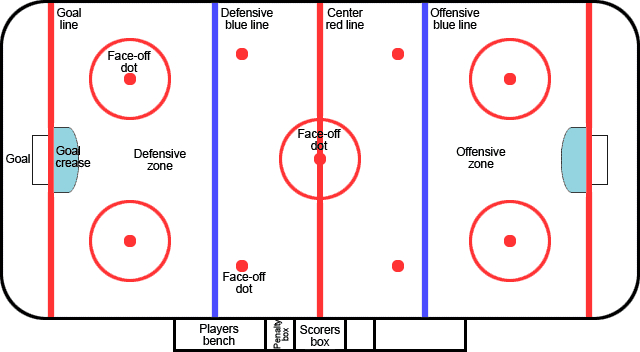
The largest circle is the center ice faceoff circle. It measures 30 feet in diameter. This circle marks the spot for the game’s start and after goals. Each defensive zone contains two smaller faceoff circles. These measure 20 feet across. Hash marks inside these circles show player positioning during faceoffs. Smaller red dots in the neutral zone serve as additional faceoff spots. These dots are about 2 feet in diameter. They come into play after offsides or icing calls.
Rink Layout Integration
The circles fit within the rink’s standard dimensions. The rink is 200 feet long and 85 feet wide. Faceoff circles are placed to balance gameplay and fairness. The center circle sits exactly in the middle of the rink. Defensive zone circles are placed inside the blue lines near the goal. This layout helps referees quickly spot faceoff locations. Other circles like the goal crease and referee’s crease serve special roles. The goal crease protects the goalie and is shaped as a blue semi-circle. The referee’s crease is a half-circle near the scorer’s bench where officials meet. Each circle’s placement supports smooth game flow and player safety.
Credit: www.vgkladies.com
Frequently Asked Questions
What Are The Circles In Hockey?
The circles in hockey mark faceoff spots to restart play after stoppages. They ensure fair puck drops and control game flow.
What Are The Faceoff Circles Used For In Hockey?
Faceoff circles in hockey mark spots to restart play after stoppages. Players face off to gain puck possession and control game flow.
Where Do You Put Your Weakest Player In Hockey?
Place your weakest player on the third or fourth line to limit ice time and reduce pressure. Assign them defensive roles or less critical shifts to build confidence and improve gradually.
Are The Ads On The Nhl Ice Real?
The ads on NHL ice appear real but are digitally added during broadcasts. The physical ice features only game markings.
Conclusion
The circles in hockey help restart play smoothly and fairly. Each circle marks where players face off after stoppages. This setup keeps the game organized and fast. Players know their positions and ready to compete for the puck. The faceoff location also affects how teams plan their next move.
These circles make hockey easier to follow and more exciting. Understanding their purpose adds to your enjoyment of the game. Simple, clear markings guide players and officials alike. Now, watching hockey makes more sense and feels more fun.