Skip to content
Have you ever noticed the circles on an air hockey table and wondered what they’re for? Those simple shapes aren’t just decoration—they play a key role in how the game is played and how you can improve your strategy.
Understanding these circles can give you an edge whether you’re a casual player or looking to dominate your next match. Keep reading to discover what these circles mean, how they guide the flow of the game, and how you can use them to up your air hockey skills.
Your next win might just depend on it!
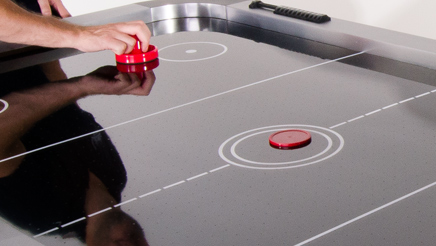
Credit: www.libertygames.co.uk
Air Hockey Table Circles
Air hockey tables often feature various markings, including circles. These circles might catch your eye during a game. Understanding their function can improve your play and enjoyment. The circles are not random decorations. They serve specific purposes related to gameplay and positioning.
Location And Appearance
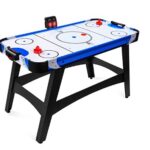
The circles are usually found near the center of the table. They are printed directly on the play surface. Most circles are simple and round, with a clear outline. Their color contrasts with the table’s background, often white or red. The size is big enough to be visible but not to distract. Some tables have one circle, while others have more, arranged symmetrically.
Purpose On The Table
Circles mark important zones for players. They often indicate where to start or restart the game. For example, the puck may be placed inside a circle at the beginning. Circles also help players position their mallets properly. This positioning can affect control and defense. In some games, circles guide fair play by showing boundaries. They keep the game organized and fair for both players.
Gameplay Functions
The circles on an air hockey table serve important gameplay purposes. They help players understand their positions and guide the flow of the game. These markings also assist in setting boundaries and creating strategic zones. Each circle has a specific role that improves game fairness and fun.
Guiding Player Positions
The circles show where players should stand during the game. They mark spots for proper positioning, helping players keep balanced offense and defense. Staying near the circles allows players to reach the puck quickly. This setup keeps the game organized and fair for both sides.
Defining Goalkeeper Zones
Some circles mark the goalkeeper’s area near the goal. These zones limit where a player can defend their goal. Staying inside the circle helps goalkeepers focus on blocking shots. It also prevents them from moving too far forward, which keeps the game fair.
Aiding Strategy And Defense
The circles create clear zones for planning attacks and defense. Players use these marks to judge distances and angles for shooting. Defenders position themselves using the circles to block shots better. This makes the game more tactical and exciting to watch.
Relation To Air Hockey Rules
The circles on an air hockey table are more than just decoration. They help players follow the rules and keep the game fair. These circles relate closely to how the game is played and regulated. Understanding their role can improve your gameplay and make matches smoother.
Boundary Limits
The circles mark important boundary limits on the table. Players must keep their mallets within these limits during play. Crossing these boundaries can lead to penalties or loss of possession. The circles help players judge where they can safely move. They also guide where the puck should be placed at the start of each round.
Foul And Possession Rules
The circles also relate to fouls and possession changes. For example, a foul occurs if a player’s mallet crosses the center circle line. This results in losing control of the puck to the opponent. The circles help referees and players spot these rule violations quickly. They also indicate where face-offs should happen after a goal or foul. This keeps the game organized and fair for both players.

Credit: blattbilliards.com
Comparison With Ice Hockey Circles
The circles on an air hockey table resemble the face-off circles in ice hockey. Both serve as key points on their respective playing surfaces. These circles guide where players position themselves during restarts. Despite the different speeds and styles of the games, the circles share a similar purpose. Understanding this comparison helps players grasp the game’s flow and strategy better.
Face-off Positions
In ice hockey, face-off circles mark where play restarts after a stop. Players line up around these circles to contest puck possession. Air hockey also uses circles to show where the puck is placed after a goal or pause. These positions keep the game fair and organized. Both games rely on these spots to reset the action quickly and smoothly.
Strategic Importance
Face-offs in ice hockey can lead to immediate control of the puck. Winning a face-off often means a chance to score or defend quickly. Air hockey players use the circles to plan their first move after a restart. Positioning near the circle can create an advantage over the opponent. Both games use these areas to add tactical depth and excitement.
Maintenance Tips
Maintaining the circles on an air hockey table is essential for clear gameplay and table longevity. These circles guide players and define key areas during the game. Proper care keeps them visible and the surface smooth for the puck’s glide. Regular maintenance prevents wear and tear, ensuring better performance.
Keeping Circles Visible
Use a soft, damp cloth to gently clean the circles. Avoid harsh chemicals that can fade the paint or graphics. Clean the circles after each use to remove dust and dirt. If the circles start to wear out, consider using a touch-up paint designed for air hockey tables. Clear visibility helps players aim and improves the game’s flow.
Surface Care For Gameplay
Keep the table surface free of debris to maintain smooth puck movement. Use a vacuum or soft brush to remove dust from the holes that blow air. Apply a silicone-based lubricant occasionally to boost the puck’s glide. Avoid placing heavy objects on the table to prevent dents. Regular surface care ensures fast and fun gameplay every time.

Credit: www.reddit.com
Frequently Asked Questions
What Are The Circles For On A Hockey Rink?
The circles on a hockey rink mark face-off spots where play restarts after stoppages. Winning face-offs helps control the puck and create scoring chances.
How To Make Air Hockey Table Glide Better?
Clean the table surface regularly and apply silicone-based lubricant with a soft cloth. Buff until smooth and glossy. Sand puck edges for better glide.
What Is Illegal In Air Hockey?
Illegal actions in air hockey include crossing the centerline with your mallet and striking the puck entirely in your opponent’s half. Violations result in fouls and loss of puck possession.
How Do Air Hockey Tables Work?
Air hockey tables work by blowing air through tiny holes on the surface. This air cushion reduces friction, allowing the puck to glide smoothly and quickly during play.
Conclusion
The circles on an air hockey table guide player positioning and puck control. They mark key areas for face-offs and help keep the game fair. Understanding these circles improves gameplay and strategy. Next time you play, watch how they influence moves and puck flow.
These simple markings make air hockey more fun and organized.