Are you ready to dive into the fast-paced, thrilling game of air hockey? Whether you’re new to the table or looking to sharpen your skills, understanding the rules is your first step to dominating the game.
Knowing exactly how to play, what moves are allowed, and what fouls to avoid will give you a clear edge over your opponent. In this guide, you’ll discover the essential rules of air hockey in simple terms, so you can jump right in and start scoring like a pro.
Keep reading to unlock the secrets that will transform your game and make every match more exciting!
Basic Gameplay
Air hockey is a fast and fun table game played by two players. The game uses a smooth, low-friction surface with holes that blow air. This air floats the puck so it slides easily. Each player controls a striker to hit the puck and score goals. Understanding the basic gameplay helps players enjoy and compete fairly.
Objective
The main goal is to score points by hitting the puck into the opponent’s goal. Players defend their own goal to stop the puck from entering. The game usually ends when a player reaches a set number of points.
Starting The Game
The game begins with a face-off at the center of the table. The puck is placed in the middle, and both players get ready. A referee or one of the players serves the puck to start play.
Serving After Goal
After a goal, the player who was scored on serves the puck. They place it in their half and hit it toward the opponent. This restarts the game and gives the losing player a chance to respond.
Puck Rules
The puck is the central element in air hockey. Its movement and handling follow specific rules. These rules ensure fair play and smooth game flow. Understanding puck rules helps players avoid faults and penalties.
Allowed Contact
Players can only strike the puck with their mallet. Hitting the puck with hands or other body parts is not allowed. The puck must remain in play without being caught or held. Contact must be quick and controlled to keep the game active.
Centerline Restrictions
The centerline divides the table into two halves. Players cannot hit the puck when it is fully on the opponent’s side. The puck must cross the centerline before the other player can strike it. This rule prevents unfair advantages and keeps play balanced.
Mallet Positioning
Players must keep their mallet on their side of the table. Crossing the centerline with the mallet is against the rules. Proper mallet positioning helps maintain fair play. It also reduces interruptions and penalties during the game.
Scoring Rules
Scoring in air hockey follows clear rules to keep the game fair and fun. Understanding these scoring rules helps players know when a point counts and when it does not. Each goal must meet specific conditions to be valid, and players must respect certain limits around the goal area.
Valid Goals
A goal counts only if the puck fully crosses the opponent’s goal line. The puck must enter the net without bouncing out or being deflected out. Goals scored by hitting the puck into the net with the mallet are valid. Accidental or illegal shots, like striking the puck off the table, do not count as goals. The puck cannot be pushed or carried; it must be hit cleanly to score.
Goal Area Limitations
Players cannot reach over the goal area to block or hit the puck. Hands and mallets must stay on the player’s side of the table. Crossing the centerline with the mallet is not allowed during play. Defending players must avoid blocking the goal with their body or mallet in an illegal way. Violating these limits can lead to a penalty or a scored goal for the opponent.
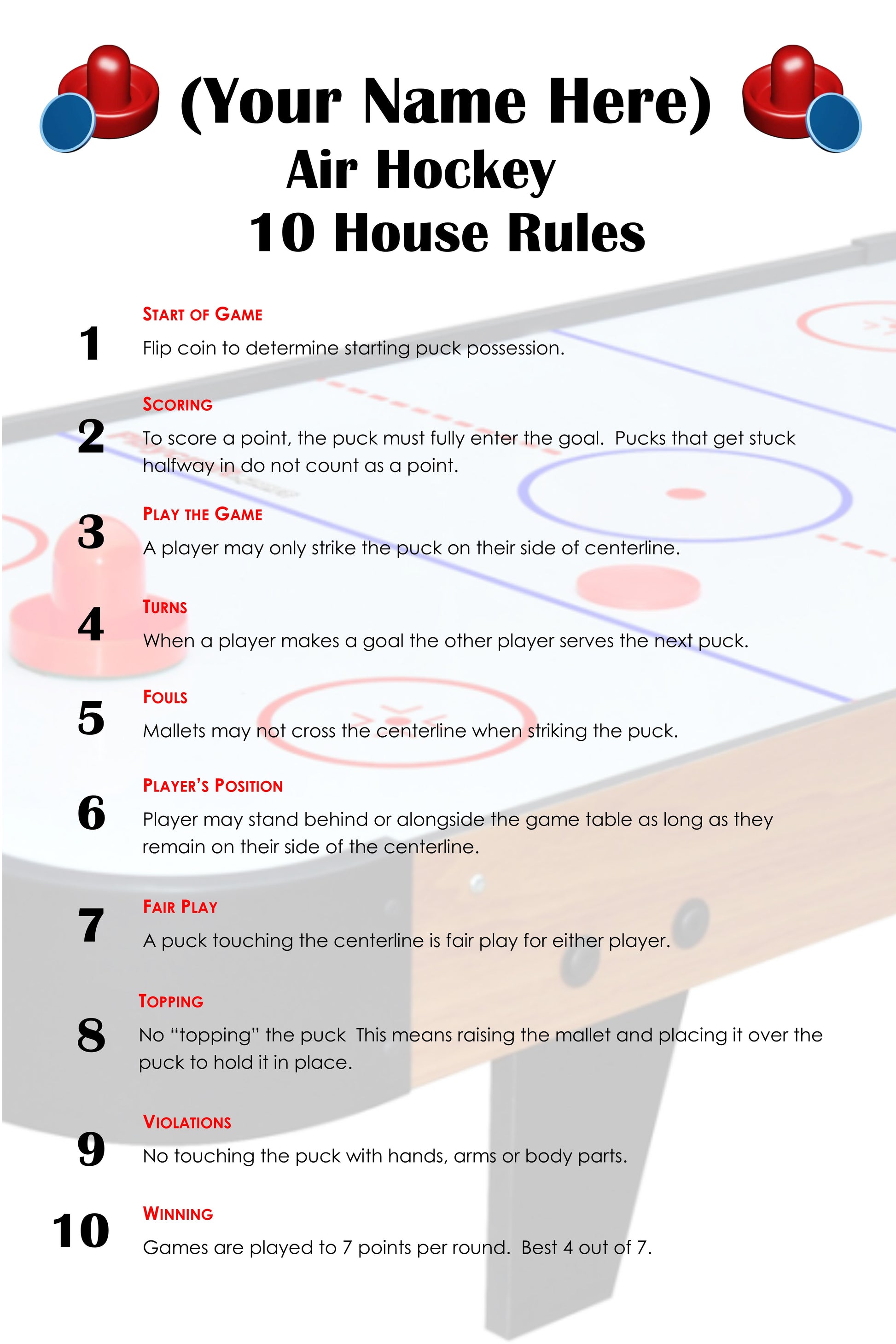
Credit: zieglerworld.com
Fouls And Penalties
Understanding fouls and penalties is essential in air hockey. These rules keep the game fair and fun for everyone. Fouls happen when a player breaks a rule. Penalties are the consequences players face after committing fouls. Knowing these helps players avoid mistakes and play better.
Common Fouls
One common foul is crossing the centerline with your hand or mallet. Players must keep their mallet on their side. Another foul is touching the puck twice in a row without the opponent hitting it. Also, striking the puck before it crosses the centerline is not allowed. Moving the table or shaking it during play is a foul. Blocking the opponent’s mallet or hitting it aggressively can also lead to penalties.
Consequences Of Fouls
When a foul occurs, the opponent usually gets a free shot or possession of the puck. Some fouls result in a loss of point or replay of the face-off. Repeated fouls may lead to warnings or disqualification in tournaments. Penalties keep players honest and encourage fair play. Following the rules helps maintain a smooth and exciting match.
Face-off Procedures
Face-off procedures are crucial in air hockey to ensure fair restarts. They set the stage for every play after a stoppage. Understanding these procedures helps players maintain proper positioning and timing. The face-off starts the game or resumes it after goals or rule violations. Proper execution keeps the game fast and exciting.
When Face-offs Occur
Face-offs happen at the start of the game. They also occur after a goal is scored. Any time play stops due to a rule violation, a face-off follows. This includes puck going off the table or illegal hits. The puck is placed at the center of the table each time.
Face-off Execution
Players stand on their side of the centerline during a face-off. Both must keep their mallets behind the face-off spot. The puck is dropped in the center by a referee or one player. Players cannot move or hit the puck before the drop. The face-off begins once the puck touches the table surface.
Table And Equipment
The air hockey experience depends greatly on the table and the equipment used. These elements set the stage for fast-paced, exciting matches. Understanding the features of the table and the specifications of the mallet and puck helps players enjoy the game fully and play by the rules.
Air Hockey Table Features
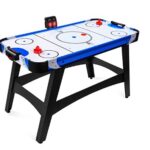
An air hockey table has a smooth, flat surface with tiny holes. Air flows through these holes, creating a cushion that makes the puck glide easily. The table is divided by a centerline, separating the two sides. Each end has a goal slot where players try to score. The edges are raised to keep the puck in play. Tables come in different sizes, but official ones are usually about 84 inches long and 42 inches wide.
Mallet And Puck Specs
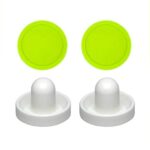
The mallet is a round paddle used to strike the puck. It fits comfortably in the player’s hand and has a smooth bottom to slide on the table surface. Official mallets measure around 4 to 5 inches in diameter. The puck is a flat, lightweight disc, about 3 inches wide and 1/4 inch thick. It is designed to float on the air cushion and move quickly across the table. Both mallet and puck materials affect the game’s speed and control.
Advanced Play Strategies
Advanced play strategies in air hockey improve your chances of winning. Understanding key offensive and defensive moves helps control the game. These tactics go beyond basic rules and focus on skill and timing. Practice these strategies to challenge your opponent effectively.
Offensive Techniques
Attack with quick, unpredictable shots to confuse your opponent. Aim for table corners where defense is weaker. Use angled shots to change puck direction suddenly. Fast wrist flicks increase shot speed. Combine soft and hard hits to keep your opponent guessing. Control the puck near the centerline for better shot options. Use feints to fake shots and create openings.
Defensive Essentials
Keep your paddle close to the goal line to block shots. Watch your opponent’s paddle and puck closely to predict moves. Use smooth, controlled movements to return shots accurately. Position yourself to cover the largest goal area possible. React quickly to rebounds and deflections. Stay calm and avoid rushing your defense. Practice blocking straight and angled shots equally.

Credit: www.scribd.com
Common Mistakes
Many players struggle with common mistakes in air hockey. These errors often break rules or slow down the game. Avoiding them improves your gameplay and enjoyment. Understanding typical mistakes helps you play fair and win more.
Rule Violations To Avoid
One common mistake is crossing the centerline with your mallet. Your paddle must stay on your side of the table at all times. Hitting the puck while it is fully on your side is not allowed. Players often forget to wait for the puck to cross the centerline before striking. This leads to fouls and loss of points.
Touching the puck with your hand or body is another violation. Only the mallet can hit the puck. Players sometimes push or carry the puck instead of hitting it. This breaks the rules and disrupts fair play.
Gameplay Errors
Missing simple shots happens often, especially for new players. Failing to follow the puck with your mallet slows your reaction time. Many forget to keep their eyes on the puck at all times. This leads to missed goals and poor defense.
Another error is poor positioning. Standing too far from the goal or center reduces control. Effective players keep their mallet near the goal and move quickly. Waiting too long before striking or defending wastes valuable seconds. Quick, precise moves are key.
Frequently Asked Questions
What Are The 5 Basic Rules Of Hockey?
The five basic hockey rules are: Offside restricts early zone entry; Icing stops play after long puck shots; Face-Offs restart play; Penalties penalize fouls; Goals count only when the puck fully crosses the goal line legally.
What Is Illegal In Air Hockey?
Illegal actions in air hockey include crossing the centerline with your mallet and striking the puck entirely in your opponent’s half. Violations result in fouls and loss of puck possession.
How Does Air Hockey Work?
Air hockey uses a smooth table with air holes that lift the puck, reducing friction. Players hit the puck with mallets aiming to score in the opponent’s goal. The air cushion allows fast, smooth puck movement for quick, exciting gameplay.
How Does Air Hockey Scoring Work?
Air hockey scoring works by earning one point each time the puck fully crosses the opponent’s goal line. Players race to reach a set winning score. The game resets after every goal, ensuring fast-paced, continuous play.
Conclusion
Understanding the basic rules of air hockey helps you enjoy the game better. Keep the puck on your side and avoid crossing the centerline with your mallet. Scoring happens only when the puck fully crosses the goal line. Remember, fair play keeps the game fun and fast.
Practice these simple rules to improve your skills. Play with focus, and enjoy every match. Air hockey is easy to learn and exciting to play.