Skip to content
Have you ever wondered who came up with the idea of air hockey—the fast-paced, exciting game you enjoy at arcades and family fun centers? If you’re curious about the origins of this popular tabletop game and how it became a favorite pastime for so many, you’re in the right place.
Understanding who invented air hockey not only gives you a cool story to share but also deepens your appreciation for the game every time you play. Keep reading to discover the fascinating story behind air hockey’s creation, the people who made it happen, and how it evolved into the thrilling game you know today.
Your next match will never feel the same once you know its origin!
You May Like – Best One

- ARCADE-STYLE GAME: Enjoy intense striking and endless fun with a mini…
- COMPACT & PORTABLE: Crafted with a lightweight design, this compact game…
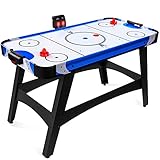
- STRONG MOTOR: Air is evenly spread with the 12V DC motor and adapter,…
- STURDY CONSTRUCTION: Made of high-quality composite wood and PVC, this…
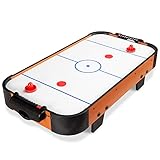
- ARCADE-STYLE GAME: Enjoy intense striking and endless fun with a mini…
- COMPACT & PORTABLE: Crafted with a lightweight design, this compact game…

- POWERFUL MOTOR FOR ENHANCED AIRFLOW: A powerful motor supports a reliable…
- LIGHT-UP LED SCOREBOARD: Track your score in real-time as the LED display…
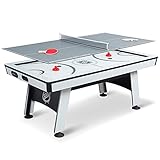
- DYNAMIC GAME EXPERIENCE: The EastPoint Air Hockey Table combines a…
- AUTHENTIC ARCADE GAMEPLAY: LED electronic scoring and stadium sounds bring…
Origins Of Air Hockey
The origins of air hockey trace back to a blend of creative ideas and teamwork. The sport emerged from efforts to create a fast-paced, skillful table game that mimicked the excitement of ice hockey. It combined simple mechanics with a smooth playing surface to allow the puck to glide effortlessly.
This section explores the early inspirations, the key team behind its creation, and the crucial role played by Bob Lemieux.
Early Inspiration From Table Games
Air hockey drew inspiration from existing table games like foosball and shuffleboard. These games used smooth surfaces and simple controls to engage players. The idea of using air to reduce friction came from these concepts. It allowed the puck to float, making play quicker and more dynamic.
Brunswick Billiards Team
The Brunswick Billiards team played a major role in developing air hockey. The team included Phil Crossman, Bob Kenrick, and Brad Baldwin. They worked together to design a table that combined air flow and a durable playing surface. Their efforts turned the concept into a fun and competitive game.
Role Of Bob Lemieux
Bob Lemieux, an ice hockey fan, helped refine the air hockey design. He contributed ideas on puck shape and table airflow. Lemieux’s input made the game more realistic and exciting. His passion for hockey inspired many details in air hockey’s development.
Design And Mechanics
The design and mechanics of air hockey made it an exciting new tabletop game. The creators focused on smooth puck movement and fast-paced play. The table and puck work together using clever engineering. This section explains the key features that make air hockey unique.
Floating Puck Technology
The puck floats on a thin cushion of air. Tiny holes under the table blow air upwards. This reduces friction between the puck and table surface. The floating effect allows the puck to glide quickly and smoothly. Players enjoy fast, responsive gameplay because of this technology.
Air Hole System
The air holes are spread evenly across the table surface. They release a steady flow of air to keep the puck floating. The size and placement of these holes are carefully designed. Proper air pressure is essential to maintain puck speed and balance. This system creates a near-frictionless playing field.
Slit-like Goal Features
The goals have slim, slit-like openings. This design helps catch the puck quickly and clearly. The shape prevents the puck from bouncing out after scoring. It also allows the puck to pass smoothly when a goal is made. The slit feature improves game flow and scoring accuracy.
Launch And Popularization
The launch and popularization of air hockey marked a turning point for arcade and entertainment venues. This fast-paced game quickly captured the attention of players. Its unique design and exciting gameplay set it apart from traditional table games. Understanding the key players and market response helps explain how air hockey became a household name.
Front Range Pool Table Company
The Front Range Pool Table Company played a vital role in air hockey’s launch. Located in Colorado, this company helped produce the first air hockey tables. They worked closely with the inventors to refine the design. Their expertise in manufacturing ensured quality and durability. This partnership allowed air hockey to reach a wider audience through commercial availability.
Initial Market Reception
At first, air hockey intrigued many players with its smooth, fast action. The novelty of the air cushion surface amazed arcade visitors. People enjoyed the competitive yet simple nature of the game. Early feedback was positive, encouraging more locations to install the tables. This reaction helped air hockey move beyond a niche product quickly.
Growth In Arcades And Entertainment
Arcades and entertainment centers embraced air hockey as a new attraction. Its easy-to-understand rules made it accessible for all ages. The game’s fast pace kept players coming back for more. Operators saw increased foot traffic and longer play times. This growth phase solidified air hockey’s place in the world of indoor games.
Air Hockey’s Evolution
Air hockey began as a simple tabletop game in the early 1970s. It quickly grew popular in arcades and family entertainment centers. The game’s design and rules evolved to keep players engaged. Over time, air hockey transformed from casual fun to a competitive sport. This evolution shaped the way people play and enjoy air hockey today.
Key changes came through rule development, the rise of strategic play, and the creation of competitive tournaments. Each step helped air hockey gain respect and a wider following. Understanding this evolution shows how the game became what it is now.
Rule Development
Initially, air hockey had few formal rules. Players often created their own house rules. As popularity increased, standardized rules became necessary. Official guidelines were introduced to ensure fair play. These rules covered scoring, puck handling, and fouls. They helped maintain consistent gameplay across locations.
Standard rules also made it easier to organize competitions. Players learned what to expect in official matches. This clarity improved the overall experience for everyone involved.
Strategic Play Emergence
With rules in place, players began to develop strategies. Simple hits turned into planned shots. Defense and offense became more balanced. Players studied angles and puck speed to outsmart opponents. Skill and quick thinking were key to winning.
Strategic play made matches more exciting and challenging. Fans enjoyed watching skilled players compete. This raised the game’s profile and attracted new players.
Competitive Tournaments
Formal tournaments helped air hockey grow as a sport. Events started in the late 1970s and early 1980s. Players competed for prizes and recognition. Tournaments followed official rules and featured top players. These competitions drew crowds and media attention.
Today, air hockey tournaments happen worldwide. They offer a stage for players to showcase talent. Competitive play continues to push the game’s evolution forward.
Notable Figures In Air Hockey
Air hockey owes much of its early popularity and ongoing evolution to key individuals. These figures shaped the game’s design, rules, and competitive scene. Their work helped air hockey grow from a simple idea to a beloved arcade and home game. Understanding these notable figures gives insight into the sport’s rich history and vibrant community.
Phil Crossman
Phil Crossman played a crucial role in air hockey’s invention. He worked at Brunswick Billiards, where the game concept took shape. Crossman helped develop the air hockey table’s design, focusing on smooth puck movement. His work made the game fast and exciting to play. Crossman’s contributions laid the foundation for modern air hockey tables.
Bob Kenrick
Bob Kenrick was a key figure alongside Crossman during air hockey’s creation. He contributed ideas for the game’s mechanics and table features. Kenrick helped refine the puck’s glide using air pressure. His input ensured the game was balanced and skill-based. Kenrick’s efforts helped turn air hockey into a competitive sport.
Brad Baldwin
Brad Baldwin joined Crossman and Kenrick in developing air hockey. He focused on improving the table design for better player interaction. Baldwin worked on the surface and puck control to enhance gameplay. His contributions helped air hockey tables become more durable and reliable. Baldwin’s role was vital in finalizing the game’s early versions.
World Champions And Influencers
World champions have raised air hockey’s profile worldwide. These players show top skill and inspire others to compete. Champions like Dave Kliman and Tim Weiss have set high standards. Their matches attract fans and grow the sport’s community. Influencers help spread air hockey beyond arcades and into homes.
Modern Air Hockey Icons
Today’s air hockey scene features new icons shaping the game’s future. Colin Cummings is a leading player known for speed and precision. His success brings attention to competitive air hockey. Other top players continue to innovate with new techniques. These modern icons keep the game fresh and exciting for all ages.
Connection To Traditional Hockey
The invention of air hockey holds a unique connection to traditional hockey. This connection can be traced through the history of stick-and-ball games, the influence of ice hockey, and its cultural impact. Understanding these links helps explain how air hockey evolved into the fast-paced tabletop game enjoyed today.
Stick-and-ball Game History
Stick-and-ball games have existed for centuries. Ancient Greece, medieval Europe, and Ireland had early versions of these games. They involved using a stick to hit a ball toward a goal. These games laid the foundation for modern hockey variations.
These simple games inspired many sports, including field hockey and ice hockey. The basic concept of hitting a puck or ball with a stick remains central. This long history shows how air hockey fits within a broader family of stick-and-ball games.
Ice Hockey’s Influence
Ice hockey directly influenced air hockey’s creation. The fast pace and competitive spirit of ice hockey inspired the tabletop version. Inventors aimed to capture the excitement of ice hockey in a small, indoor format.
Bob Lemieux and his team, working at Brunswick Billiards, developed air hockey in the early 1970s. They combined elements of ice hockey with air flow technology to reduce friction. This allowed the puck to glide smoothly, mimicking ice hockey’s fast movement.
Cultural Impact
Air hockey quickly became popular in arcades and family entertainment centers. It brought the thrill of hockey to new audiences. People who could not play ice hockey found a fun alternative.
The game’s simple rules and fast action made it accessible worldwide. Air hockey helped spread hockey culture beyond ice rinks. It created a shared experience connecting fans of traditional and tabletop hockey games.
Frequently Asked Questions
Where Did Air Hockey Originate?
Air hockey originated in Austin, Texas, invented by engineers Phil Crossman, Bob Kenrick, and Brad Baldwin at Brunswick Billiards.
Who Is The Best Air Hockey Player In The World?
Colin Cummings is widely recognized as the best air hockey player globally. He holds multiple world championship titles.
What Is An Interesting Fact About Air Hockey?
Air hockey was invented in the 1970s by engineers at Brunswick Billiards. It uses air to float the puck, reducing friction.
What Nationality Invented Hockey?
Canadian nationality invented modern ice hockey. Early influences came from British stick-and-ball games, but Canada formalized the sport.
Conclusion
Air hockey started as a fun idea among friends at Brunswick Billiards. Phil Crossman, Bob Kenrick, and Brad Baldwin created the first version. Bob Lemieux improved the design by adding air holes for puck movement. This simple invention grew into a popular arcade game worldwide.
Today, air hockey brings excitement to many players everywhere. Its history shows how creativity and teamwork can make something lasting. Everyone who loves the game owes thanks to these inventors from Austin, Texas. The game continues to inspire fun and friendly competition.