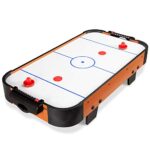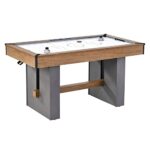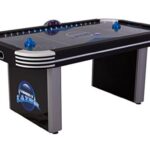
Multi-game tables are worth it if you have limited floor space and genuinely want two or three different games — pool, ping-pong, air hockey, foosball — but they’re a compromise, not a free upgrade. A convertible table gives you variety in one footprint, yet every game plays slightly worse than a dedicated table at the same price, and the mechanism that swaps the surfaces is the part most likely to wear out first.
Key Takeaways
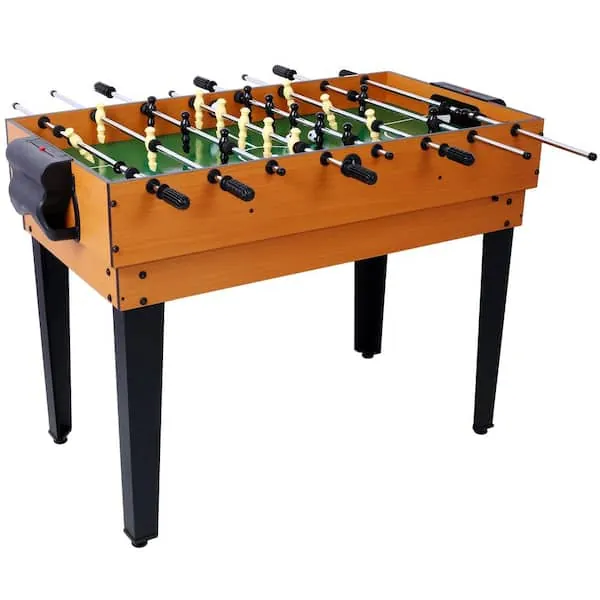
- Space is the real prize. One multi-game table replaces two or three separate tables, which matters most in apartments, basements, and garages.
- Expect a playability trade-off. A $600 convertible plays like a $300 pool table, not a $600 one — budget-tier components are shared across all the games.
- Match the table to your main game. Buy for the game you’ll play 80% of the time and treat the others as bonuses.
- Check the conversion mechanism. Flip-top and lift-off designs last longer than slide-and-stack rails with plastic clips.
- Dedicated tables win on feel. If you only ever play pool, a single-purpose table at the same price is the better buy.
- Used market is strong. Multi-game tables depreciate fast, so secondhand listings often deliver the best value.
What Counts as a Multi-Game Table
A multi-game table is a single piece of furniture that hosts two or more games by swapping or flipping playing surfaces. The most common combinations are pool and ping-pong, pool and air hockey, and a three-in-one adding foosball. Some models cram in 10 to 20 “games” — but most of those extras are variations like bumper pool or shuffleboard painted onto the same slab, not separate playing fields.
The category splits into two builds. Convertible tables have a real pool slate or slate substitute underneath and a topper for the second game. Combination tables use a thin MDF playfield with reversible panels. The first plays noticeably better; the second is lighter and cheaper.
The Case For Buying One
The strongest argument is floor space. A full-size pool table needs roughly 8 feet by 4 feet of table plus cue clearance — often 13 feet by 16 feet of room. A dedicated ping-pong table needs its own 9-by-5 footprint. Stack them into one unit and you reclaim an entire zone of the room.
Cost is the second argument. Buying a pool table, a ping-pong top, and an air hockey table separately can easily run past $1,500. A single convertible can cover all three for a fraction of that.
- Apartments and condos where one large table is the ceiling
- Finished basements used for mixed entertainment
- Family game rooms with kids who rotate between games
- Short-term rentals and clubhouses that need broad appeal
The Case Against
Every multi-game table asks its components to do more than they were designed for. The rails, felt, and bumpers that make pool feel good aren’t the same parts that make air hockey fast. Manufacturers split one budget across several games, so each one gets less.
Playability drops in predictable ways: slower cloth, bouncier rails, shallower pockets, and a puck surface that warps if moisture gets into the MDF. Serious players notice immediately.
Durability is the quiet cost. Hinges, latches, and alignment pins take abuse every time you convert. On cheap models, that hardware fails within a year or two of regular switching.
How Much Do They Cost?
Pricing tracks build quality far more than game count. Here is what to expect across the market.
| Tier | Typical Price | Build | Best For |
|---|---|---|---|
| Budget | $200–$500 | MDF playfield, plastic hardware | Light, occasional use |
| Mid-range | $500–$1,200 | Slate or slate substitute, metal hinges | Regular family play |
| Premium | $1,200–$3,000+ | Real slate, hardwood cabinet | Enthusiasts who want one table |
A 20-game table at $300 isn’t better than a 3-game table at $300 — it usually means thinner materials spread across more gimmicks. Spend on the build, not the game count.
Match the Table to Your Main Game
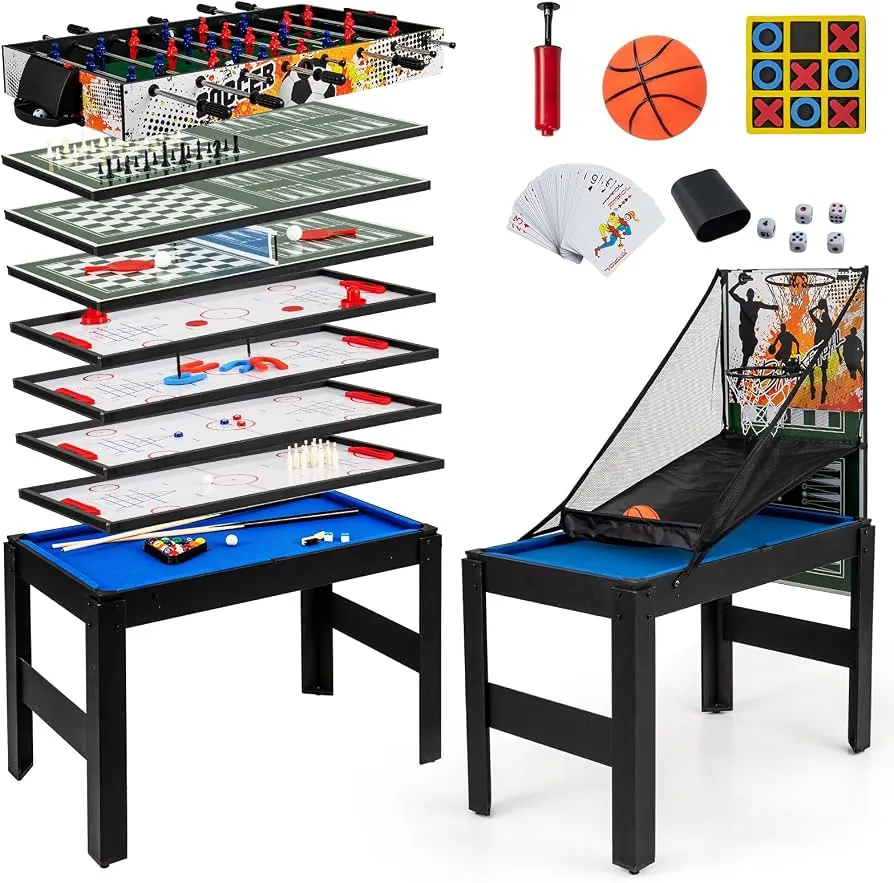
Decide which game gets most of your playtime, then judge the table on that game alone.
- Pool-first: prioritize slate or a thick slate substitute, real felt, and adjustable feet. Ping-pong becomes a bonus.
- Ping-pong-first: look for a true 15mm or thicker top and a net that tensions properly; pool quality matters less.
- Air hockey-first: check blower strength and surface flatness — a weak fan ruins the game faster than anything else.
- Foosball-first: rods and bearings decide everything; a multi-game unit rarely has good ones.
Pro Tip: If two games matter roughly equally, buy two dedicated tables used instead of one convertible new. You’ll usually spend the same and play better on both.
Conversion Mechanisms Compared
The swap system is where multi-game tables live or die. Ask how it works before you buy.
| Mechanism | How It Works | Durability | Notes |
|---|---|---|---|
| Flip-top | Surface rotates on a hinge | Good | Fewer loose parts to lose |
| Lift-off topper | Top lifts on and off | Fair | Topper needs storage space |
| Slide-and-stack rails | Panels slide into tracks | Poor | Plastic clips crack first |
| Reversible insert | Panel drops into the bed | Good | Common on premium models |
Whatever the design, confirm the table returns to level after every conversion. An out-of-level pool bed makes every shot drift.
Sizing and Room Fit
Measure before you commit. Cue clearance is the number people forget. You need about 4 to 5 feet of open space on every side of a pool table for a full backswing. A 7-foot table in a tight room plays worse than a 6-foot table with room to shoot.
Also check ceiling height for ping-pong lobs and doorway width for delivery — many tables ship in one heavy box that won’t fit through a narrow stairwell.
Setup, Assembly, and Maintenance
Most multi-game tables arrive flat-packed and take two people two to four hours to assemble. Slate models are far heavier and may need professional installers.
Maintenance is modest but real:
- Re-level the table after moving it or converting it several times.
- Brush and vacuum the felt rather than washing it.
- Keep MDF dry — humidity warps thin playfields faster than use does.
- Tighten hinge screws every few months; vibration loosens them.
- Store toppers flat, never leaning, to prevent warping.
Warning: Never store a multi-game table in an unheated garage in a damp climate. Moisture swelling is the single most common cause of a warped playfield.
When a Dedicated Table Wins
If you play one game almost exclusively, a dedicated table is the better purchase at nearly every price point. The manufacturer spends the entire budget on one playing surface, one set of rails, and one frame. That shows up in bounce consistency, cloth speed, and how the table feels after five years.
The calculus flips only when variety genuinely matters — a household with kids of different ages, a rental property, or a room that hosts mixed groups. For the U.S. market, the safety and materials standards behind these products are worth checking; the Consumer Product Safety Commission publishes recall and safety information that applies to household game equipment.
Buying Used vs. New
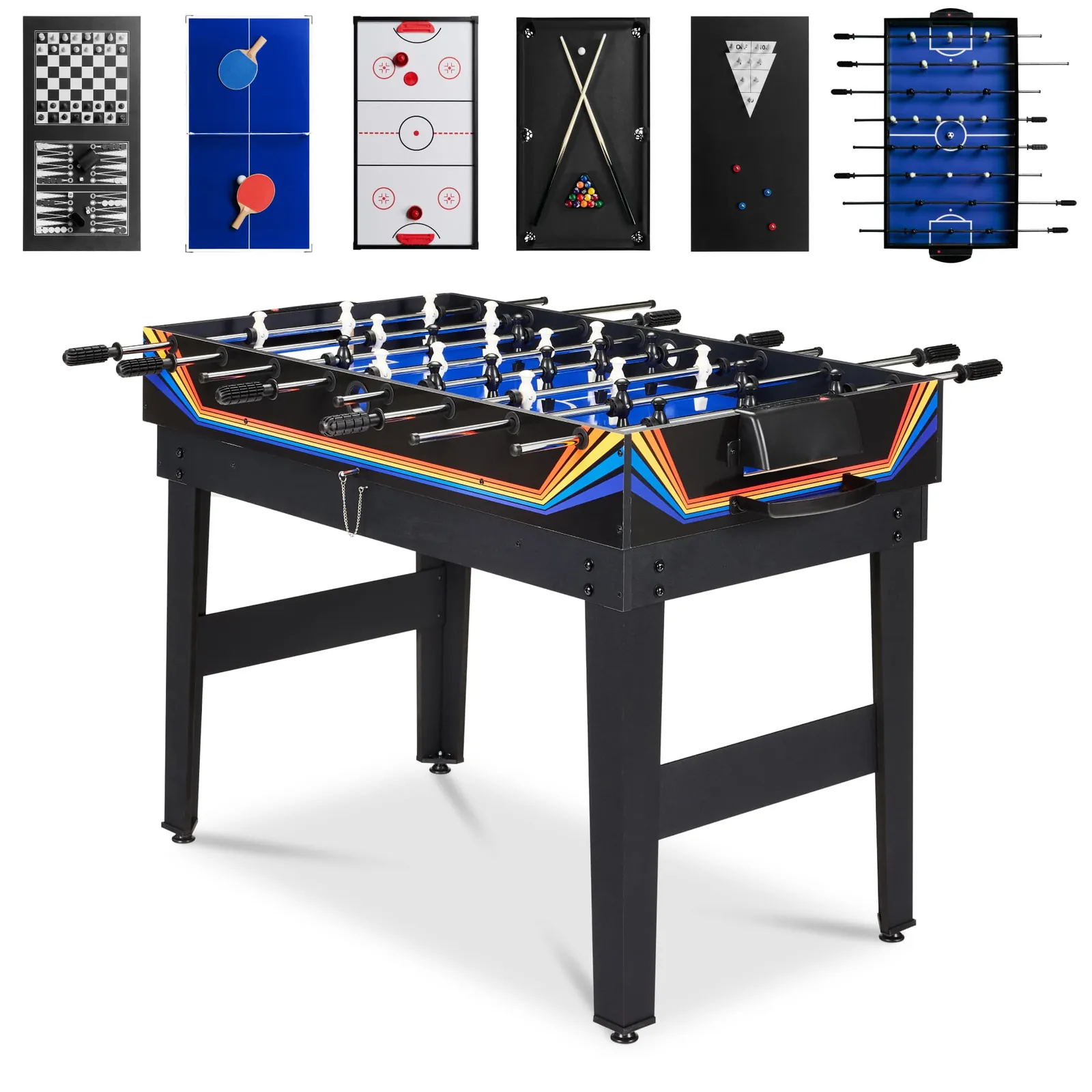
Multi-game tables depreciate quickly because they’re bulky and hard to move. That makes the used market unusually favorable for buyers.
- Facebook Marketplace and Craigslist list convertibles constantly, often at 40–60% off retail.
- Inspect the hinges and latches first — that’s what fails.
- Check the felt for stains and ripples, and the playfield for warping.
- Bring a level and test it on the spot.
- Confirm all pieces — toppers, nets, pucks, and cues go missing.
New makes sense when you want a warranty and the exact model, or when a slate table’s weight makes delivery a problem.
Frequently Asked Questions
Are multi-game tables worth it for families?
Yes, for most families with kids who rotate between games. The variety keeps the table in use longer than a single-game unit would, and one footprint fits a normal game room. Just buy in the mid-range tier or above, because budget models wear out quickly under regular kid use.
Do multi-game tables play as well as dedicated ones?
No. At the same price, a dedicated table always plays better because the whole budget goes into one surface. A convertible is a compromise that trades some feel for variety and space savings. Casual players rarely notice; regular players usually do.
How long do multi-game tables last?
A mid-range table with metal hinges typically lasts 5 to 10 years with normal family use. Budget tables with plastic conversion hardware often fail within 1 to 3 years. Longevity depends far more on the mechanism and materials than on how many games it offers.
What size multi-game table should I buy?
Match the table to your room, not the other way around. You need roughly 4 to 5 feet of clearance on all sides for pool. A 7-foot table with proper clearance beats an 8-foot table jammed against a wall every time.
Are expensive multi-game tables worth the money?
Premium convertibles with real slate and hardwood frames are worth it if you want one table that plays seriously and still converts. Below about $500, you’re mostly buying convenience, not quality. Spend on build, not game count.
Can I convert the table by myself?
Most flip-top and topper designs are manageable solo if the table isn’t slate. Slate-based convertibles are heavy enough that a second person should help, both to protect your back and to avoid dropping a panel onto the felt.
Conclusion
Multi-game tables earn their place when space is tight and variety matters more than tournament-grade feel — buy for your main game, spend on the build rather than the game count, and check the conversion hardware in person before you pay. If that describes your room, start by measuring your clearance and browsing used listings in your area this week.